


GLP-One Support Gut Health Booster Guide for GLP-1 Users
Last Updated: 9/16/2026
Written By: Sanskriti Pandey (Senior Marketing Analyst)
Reviewed By: Sam Salia (Founder and Pharmacist)

Starting a GLP-1 medicine can change appetite, meal size, and digestion. Many people feel full sooner. Some may also notice nausea, constipation, diarrhea, bloating, or vomiting. When eating becomes less comfortable or less predictable, it can take more planning to get enough fluids, protein, fiber, and other nutrients.
A glp-one support gut health booster may be considered as one great optional part of that plan. It is not a GLP-1 medicine, it does not make a prescription work better, and it does not treat side effects. Its possible role is narrower: to provide selected nutrients or ingredients that complement your GLP-1 journey. Summit Nutritions is a premium GLP-1 support supplements brand based in the US.
Not every person using a GLP-1 medicine needs a supplement. Some people meet their needs through meals and snacks. Others may find a powder, capsule, or gummy convenient when appetite is low. The safest choice depends on symptoms, eating pattern, medical history, prescriptions, and the full ingredient label.
Quick Answer: Why Consider Gut and Nutrition Support?
GLP-1 treatment can make normal nutrition habits feel different. Smaller portions may leave less room for fiber and protein. Digestive changes may affect which foods feel comfortable. A supportive plan can help a person focus on nutrient-rich foods, steady fluids, gradual fiber, and an appropriate amount of protein. A supplement may fill a clearly identified gap, but it should follow those basics rather than replace them.
· Use food and fluids as the foundation whenever possible.
· Choose smaller, balanced meals when large meals feel uncomfortable.
· Introduce added fiber slowly and with adequate fluids, unless fluids are restricted.
· Discuss protein needs and resistance exercise with a qualified professional.
· Review supplement ingredients for duplication, tolerance, and medication interactions.
What Is a GLP-One Support Gut Health Booster?
The phrase describes a dietary supplement positioned to support general nutrition or digestive wellness during a GLP-1 routine. Products may combine fiber, prebiotics, probiotics, protein, amino acids, vitamins, minerals, digestive enzymes, or botanical ingredients. Formulas can differ widely, so the product name alone does not tell you whether it is a good match.
What it may support
· Convenient intake of selected nutrients when food volume is smaller.
· Normal bowel regularity when a suitable amount of fiber is tolerated.
· A consistent daily routine for people who prefer a powder, capsule, or gummy.
· Awareness of nutrition priorities such as protein, fluids, and food variety.
What it cannot do
· Replace semaglutide, tirzepatide, or another prescription medicine.
· Prevent or treat nausea, constipation, diarrhea, vomiting, or another medical concern.
· Guarantee weight loss, better digestion, or a particular health outcome.
· Replace balanced meals, medical follow-up, or advice from the prescribing team.
How GLP-1 Medicines Can Affect Appetite and Digestion
GLP-1 medicines are prescription products with specific approved uses. Semaglutide products from Novo Nordisk include Ozempic, Wegovy, and Rybelsus. Tirzepatide products from Eli Lilly include Mounjaro and Zepbound. The brands are not interchangeable and do not all have the same approved use. A licensed prescriber should select the medicine and dose.
Earlier fullness can reduce food volume
Feeling satisfied after a smaller meal can be part of the medication experience. The challenge is that a smaller plate still needs to provide useful nutrition. For example, if a full sandwich and fruit no longer feels comfortable, a person might start with half a sandwich that contains a clear protein source, then add fruit later if tolerated. Spreading food across the day may feel easier than forcing a large meal.
Slower stomach emptying can change meal comfort
These medicines can slow the movement of food from the stomach. Some people may find that large, rich, or high-fat meals sit heavily. Eating slowly, using modest portions, and stopping at comfortable fullness may help a meal feel more manageable. Individual responses vary, and persistent symptoms belong in a conversation with the prescriber.
Digestive effects are common enough to plan for
The 2025 FDA prescribing information for Wegovy and Ozempic lists digestive reactions such as nausea, diarrhea, vomiting, constipation, and abdominal pain among common adverse reactions. A 2025 systematic review and network meta-analysis of 39 articles involving 33,354 participants also identified nausea, vomiting, diarrhea, and constipation as the most common gastrointestinal effects in the studied population (Ismaiel et al., 2025).
Why Gut and Nutrition Support May Matter
A 2025 joint advisory from four professional organizations described digestive side effects, possible nutrient gaps from lower energy intake, and preservation of muscle and bone as important parts of care during GLP-1 therapy (Mozaffarian et al., 2025). This supports a broad nutrition plan. It does not mean that every person needs a dietary supplement.
Fiber and normal bowel regularity
Fiber is found in foods such as oats, beans, berries, pears, vegetables, nuts, seeds, and whole grains. It supports normal bowel function and also provides material that some gut microbes use. If a person eats less of these foods, fiber intake may fall. A modest food-first increase may be useful, but tolerance matters.
Start slowly with added fiber
A fast increase can lead to gas, bloating, cramping, or looser stools. Add one source at a time, use a small amount, and notice how the body responds. Fiber generally works best alongside appropriate fluid intake. People with fluid restrictions, swallowing problems, severe constipation, or ongoing abdominal symptoms should ask a clinician for individual advice before adding concentrated fiber.
Prebiotics and probiotics
Prebiotics are substances used by certain helpful microorganisms. Inulin is one common example. Probiotics are live microorganisms supplied in specific amounts. The effects of a probiotic depend on the strain, dose, product quality, condition being studied, and outcome. A 2024 review in Nutrients noted possible benefits in some gastrointestinal settings, while also explaining that wide product differences make broad public recommendations difficult (Rau et al., 2024).
Why strain and dose matter
A label that only says probiotic does not show that every strain has the same evidence. Look for named organisms, a stated amount, storage directions, and an expiration or best-use date. A large colony count does not automatically make one product more suitable. People with serious illness or weakened immune systems should seek clinical guidance before using a probiotic supplement.
Hydration and electrolytes
Fluids support normal digestion and become especially important when vomiting or diarrhea occurs. Small, regular sips may feel easier than a large drink with a meal. Water, broth, milk, or another tolerated drink may contribute. Electrolyte products are not automatically needed, and some contain significant sugar, sodium, potassium, or sweeteners. Anyone with kidney, heart, or blood pressure concerns should ask for personalized guidance.
When fluid loss needs medical advice
Repeated vomiting, very dark urine, dizziness, faintness, confusion, or difficulty keeping fluids down may point to dehydration and should not be managed with a supplement alone. Contact the prescribing team promptly or seek urgent care when symptoms are severe.
Protein and lean tissue
Weight reduction can include changes in both fat and lean tissue. A 2024 systematic review found that semaglutide-related weight reduction came mainly from fat, while lean mass findings varied across six included studies (Bikou et al., 2024). Protein foods and suitable strength activity are therefore useful topics to discuss with a registered dietitian or clinician.
Pair protein with appropriate movement
Examples of protein foods include eggs, Greek yogurt, cottage cheese, tofu, tempeh, lentils, beans, fish, poultry, and lean meat. The best amount differs by body size, age, kidney health, activity, and overall diet. Resistance exercise may support strength and function, but the activity plan should fit the person and their medical guidance.
Micronutrients and food variety
Eating less can also reduce opportunities to obtain vitamins and minerals. A colorful mix of fruits and vegetables, whole grains, protein foods, dairy or fortified alternatives, and suitable fats may help maintain variety. A broad supplement is not always the answer. Testing, diet history, health conditions, and clinician advice can help identify whether a real gap exists.
Seven Practical Ways to Support Gut Health During GLP-1 Use
· Build smaller meals around a protein food, then add a tolerated vegetable, fruit, or grain.
· Eat slowly and pause before taking more food. Fullness may arrive sooner than expected.
· Choose cooked, soft, or lower-fat foods when heavy meals feel uncomfortable.
· Add fiber in small steps instead of changing several foods and supplements at once.
· Sip fluids regularly through the day, unless a clinician has set a fluid limit.
· Keep a short record of meals, bowel habits, fluids, and symptoms around dose changes.
· Share ongoing symptoms with the prescribing team instead of trying to cover them with supplements.
A Simple, Gentle Day of Meals
This example is not a prescribed meal plan. Portions and food choices should match appetite, allergies, culture, medical needs, and professional guidance.
Morning
Breakfast idea
Try a small bowl of Greek yogurt with soft berries and a spoonful of oats. A fortified dairy-free yogurt with adequate protein may work for someone who avoids dairy. Eat slowly and stop at comfortable fullness.
Midday
Lunch idea
A small bowl with chicken, tofu, or beans, cooked vegetables, and a modest amount of rice or another grain can provide several food groups without a large plate. Cooked vegetables may feel gentler than a large raw salad for some people.
Afternoon
Snack idea
A small cheese portion, a boiled egg, hummus with soft vegetables, or fruit with nut butter may be easier than waiting for a large evening meal. Choose an option that fits personal health needs and tolerance.
Evening
Dinner and fluids
Use a smaller balanced plate, such as fish or lentils with cooked vegetables and a modest starch. Sip fluids between meals if drinking with food increases fullness. If nausea or vomiting is present, contact the prescriber for advice.
Where a GLP-One Support Gut Health Booster May Fit
After food intake, fluid habits, symptoms, and current medicines have been reviewed, a GLP-One support gut health booster may offer a convenient format for selected ingredients. The useful question is not whether all GLP-1 users need one. It is whether a specific formula matches a specific need without duplication, unwanted ingredients, or avoidable interactions.
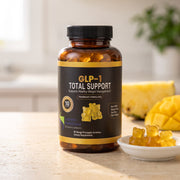
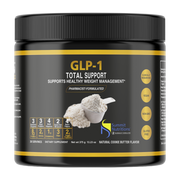
For people comparing formats, the Summit Nutritions GLP-1 Total Support collection brings the capsule, powder, and gummy options together. Read the current Supplement Facts and product directions, then take the label to a physician or pharmacist if you use prescription medicine or have an ongoing health condition.
Capsules for a compact routine
GLP-1 Total Support Capsules list zinc, a botanical blend, and a prebiotic and probiotic blend with named Lactobacillus and Bifidobacterium species. This format may suit someone who prefers capsules and has reviewed the ingredients with a professional. The formula includes berberine and other botanicals, which makes a medication and blood glucose review especially important.
Powder for fiber and drinkable support
GLP-1 Total Support Powder lists 3 grams of a fiber blend, 2 grams of plant protein, 2 grams of vegan collagen peptides, amino acids, digestive enzymes, vitamins, and minerals per serving. It may offer a convenient drink format. It is not a meal replacement, and a person sensitive to added fiber may prefer to discuss a gradual introduction.
Gummies for a chewable format
GLP-1 Total Support Mango Pineapple Gummies list zinc, inulin, and a botanical blend in a sugar-free chewable format. They also contain the sugar alcohols maltitol and isomalt. These ingredients may cause gas, bloating, or loose stools in some people, so the format may not suit every digestive pattern.
How to Compare GLP-1 Support Supplements
Start with the need, not the trend
Decide what you are trying to support. Is food intake low? Is fiber intake limited? Is convenience the main concern? A clear purpose makes it easier to judge whether a formula adds value. It also reduces the chance of taking several products that overlap.
Read the full Supplement Facts panel
· Check serving size, ingredient amounts, and proprietary blends.
· Look for fiber type, protein amount, probiotic strains, and colony count when relevant.
· Review sweeteners and sugar alcohols if the digestive system is sensitive.
· Check allergens, dietary preferences, storage needs, and expiration information.
· Compare the current label with other supplements to avoid duplication.
Review possible interactions
Botanical ingredients can have biological effects. For example, berberine may influence blood glucose and may interact with medicines. Vitamins and minerals can also overlap across products. A pharmacist can review the complete list of prescriptions, over-the-counter medicines, and supplements. This is particularly useful for anyone using diabetes medicine, blood pressure medicine, or anticoagulants.
Match the format to tolerance
A powder adds fluid and may contain more fiber. Capsules are compact but may be difficult for someone who dislikes swallowing pills. Gummies are easy to chew, but sugar alcohols may not feel comfortable. The most suitable format is the one that fits the person, the label, and the professional care plan.
Common Mistakes to Avoid
· Starting several supplements at once, which makes it hard to identify the cause of discomfort.
· Adding a large amount of fiber quickly when food intake and fluid intake are low.
· Using a small protein contribution as if it were a full meal or complete daily protein plan.
· Ignoring sugar alcohols, botanical ingredients, allergens, or duplicated vitamins and minerals.
· Treating persistent side effects with self-care instead of contacting the prescribing team.
· Changing or stopping a prescription dose without guidance from the prescriber.
What Recent Research Says
These short excerpts show why balanced guidance matters. They support careful nutrition planning and monitoring. They do not establish that a dietary supplement is required for every person using a GLP-1 medicine.
Nutrition during GLP-1 treatment
"Nutritional and medical management of gastrointestinal side effects is critical." (Mozaffarian et al., 2025)
Common digestive effects
"Nausea, vomiting, diarrhea, and constipation were the most common gastrointestinal adverse effects." (Ismaiel et al., 2025)
Variation in probiotic evidence
"Formulating specific recommendations for the public regarding these dietary supplements has been difficult." (Rau et al., 2024)
Lean mass deserves attention
"Concerns arise from notable reductions in lean mass, especially in trials with a larger number of patients." (Bikou et al., 2024)
Frequently Asked Questions
Is a GLP-One support gut health booster a medication?
No. The products discussed here are dietary supplements. They do not contain semaglutide, tirzepatide, liraglutide, or another prescription GLP-1 medicine. They should not be presented as alternatives to prescribed care.
Does every person on a GLP-1 medicine need a supplement?
No. Many people may be able to meet their needs with a well-planned diet. A supplement may be considered when there is a practical reason, a dietary gap, or professional guidance. Individual needs vary.
Can a supplement treat nausea or constipation?
A dietary supplement should not be described as a treatment for medication side effects. New, severe, or lasting symptoms should be discussed with the prescriber. Adding more fiber during severe constipation or poor fluid intake may not be appropriate without guidance.
Can I use more than one support product together?
Using several formulas can duplicate fiber, vitamins, minerals, probiotics, or botanical ingredients. Bring all labels to a pharmacist or clinician before combining products. Starting one change at a time also makes tolerance easier to track.
When should I contact a healthcare professional?
Contact the prescribing team for symptoms that are new, worsening, or linked to a dose change. Seek prompt medical care for severe or lasting abdominal pain, repeated vomiting, inability to keep fluids down, signs of dehydration, an allergic reaction, or symptoms of low blood sugar. Do not change a prescription dose on your own.
The Bottom Line
A glp-one support gut health booster may complement a thoughtful routine when its ingredients match a real need and a healthcare professional agrees that the formula fits. It belongs beside balanced meals, appropriate fluids, suitable movement, and regular medical follow-up. It does not replace prescription treatment and should not be used to cover ongoing digestive symptoms.
Start with food, make one change at a time, and pay attention to tolerance. If a supplement is considered, compare labels carefully and choose a format that makes the routine easier without adding unnecessary complexity.
Important Health and Product Notice
This article is for general educational purposes and is not medical advice. GLP-1 Total Support products are dietary supplements. They do not contain semaglutide, tirzepatide, liraglutide, or any prescription GLP-1 medicine. They are not intended to replace medication, a balanced diet, or care from a qualified healthcare professional.
Talk with a physician or pharmacist before using a dietary supplement if you take prescription medicine, have diabetes or another medical condition, are pregnant or nursing, or are under medical care.
FDA disclaimer: These statements have not been evaluated by the Food and Drug Administration. These products are not intended to diagnose, treat, cure, or prevent any disease.
References
Bikou, A., Dermiki-Gkana, F., Penteris, M., Constantinides, T. K., & Kontogiorgis, C. (2024). A systematic review of the effect of semaglutide on lean mass: Insights from clinical trials. Expert Opinion on Pharmacotherapy, 25(5), 611-619. https://doi.org/10.1080/14656566.2024.2343092
Ismaiel, A., Scarlata, G. G. M., Boitos, I., Leucuta, D. C., Popa, S. L., Al Srouji, N., Abenavoli, L., & Dumitrascu, D. L. (2025). Gastrointestinal adverse events associated with GLP-1 RA in non-diabetic patients with overweight or obesity: A systematic review and network meta-analysis. International Journal of Obesity, 49(10), 1946-1957. https://doi.org/10.1038/s41366-025-01859-6
Mozaffarian, D., Agarwal, M., Aggarwal, M., Alexander, L., Apovian, C. M., Bindlish, S., Bonnet, J., Butsch, W. S., Christensen, S., Gianos, E., Gulati, M., Gupta, A., Horn, D., Kane, R. M., Saluja, J., Sannidhi, D., Stanford, F. C., & Callahan, E. A. (2025). Nutritional priorities to support GLP-1 therapy for obesity: A joint advisory from the American College of Lifestyle Medicine, the American Society for Nutrition, the Obesity Medicine Association, and The Obesity Society. The American Journal of Clinical Nutrition, 122(1), 344-367. https://doi.org/10.1016/j.ajcnut.2025.04.023
Rau, S., Gregg, A., Yaceczko, S., & Limketkai, B. (2024). Prebiotics and probiotics for gastrointestinal disorders. Nutrients, 16(6), 778. https://doi.org/10.3390/nu16060778
U.S. Food and Drug Administration. (2025). Ozempic semaglutide injection prescribing information. https://www.accessdata.fda.gov/drugsatfda_docs/label/2025/209637s035%2C209637s037lbl.pdf
U.S. Food and Drug Administration. (2025). Wegovy semaglutide injection prescribing information. https://www.accessdata.fda.gov/drugsatfda_docs/label/2025/215256s024lbl.pdf