
FREE GUIDE
The GLP-1 Daily Nutrition Checklist
A personal plan for protein, fiber, fluids and movement in about a minute, plus food lists for every way of eating, sample days and a tracker that saves your progress.
Free personal plan
Your GLP-1 nutrition plan in 60 seconds
Three short steps. You get daily protein, fiber, fluid and movement targets that fit your body and the way you eat, with a sample day of real meals.
- Built on the 2025 joint advisory from four obesity and nutrition societies
- Your answers stay in your browser
Ready when you are
Three short steps. No sign-up needed to see your plan.
Want the full plan by email too? Add your email now and we send your 7-day menus, shopping list and 4-week ramp-up as soon as you finish.
Please check the email address.
Optional. One email with your plan, then helpful tips you can unsubscribe from anytime.
About you
Protein, fiber and fluid needs depend on body size, sex and age.
Sex
Age
Please fill in weight, height, sex and age so the numbers are right for you.
How do you eat?
Your menus only use foods that fit.
Anything to leave out? Optional, pick any
Please pick how you eat.
Your routine
This shapes meal size and how many times a day you eat.
GLP-1 medication
Appetite lately
Activity
Budget
Please answer the three questions above.
Building your plan
- Setting your protein target
- Matching fiber and fluids to you
- Choosing meals that fit how you eat
Your daily targets
A sample day for you
In weeks 1 and 2, use half portions of beans and lentils and build up as your fiber target rises.
Get the full plan by email
- 7 days of menus that fit how you eat
- A shopping list for the week
- Your 4-week ramp-up, so fiber and protein build gently
Please check the email address.
We send your email address and the finished plan to our email service. Your weight, height, age and answers are never sent. They stay saved in this browser so your plan is here when you come back.
Good to know for you
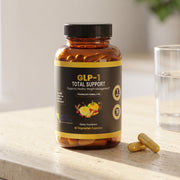
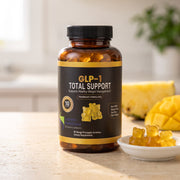
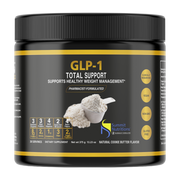
Optional: where Summit fits
General nutrition information for healthy adults, not medical advice. If you take GLP-1 medication, have kidney disease, diabetes, or are pregnant or breastfeeding, check these targets with your doctor or a registered dietitian.
Where these numbers come from
Protein 1.2 to 1.6 g per kg a day (adjusted body weight above a BMI of 30), strength training 2 to 3 times a week, 150 minutes of activity and small meals every 3 to 4 hours: Nutritional priorities to support GLP-1 therapy for obesity, joint advisory of the American College of Lifestyle Medicine, American Society for Nutrition, Obesity Medicine Association and The Obesity Society, 2025. Fiber 25 g (women up to 50), 21 g (women 51+), 38 g (men up to 50), 30 g (men 51+): National Academies Dietary Reference Intakes and the Dietary Guidelines for Americans. Fluids from drinks, about 80% of the National Academies total water intake (2.7 L women, 3.7 L men). Protein spread across meals: Schoenfeld and Aragon, Journal of the International Society of Sports Nutrition, 2018. Food values: USDA FoodData Central.
When you eat less, every bite counts
A smaller appetite is common on a GLP-1 plan, and eating less makes it easier to fall short on protein, fiber, fluids and key nutrients. In 2025, four leading nutrition and obesity medicine groups published a joint advisory on nutrition during GLP-1 therapy. This guide turns their priorities into habits you can keep.
YOUR DAILY CHECKLIST
- Protein at every meal. A practical target is 80 to 120 g a day.
- Fiber from food. About 14 g for every 1,000 calories. Build up slowly.
- Fluids all day. Sip steadily instead of drinking a lot at once.
- Smaller meals every 3 to 4 hours. Eat slowly, stop when satisfied.
- Strength training 3 times a week, plus about 150 minutes of moderate activity.
- Ask about vitamin D, calcium and B12 at your next checkup.
1. Protein: your daily target
Protein helps you keep muscle while your weight changes. During active weight reduction the joint advisory suggests about 1.2 to 1.6 g per kg of body weight a day, and notes that a simple target of 80 to 120 g is easier to follow. For people with a higher body weight it recommends basing the math on an adjusted weight. Your personal plan above does this for you.
Your personal range is in your plan at the top of this guide. Most people land between 80 and 120 g a day.
Split it across the day, around 25 to 30 g per meal. A small appetite rarely manages one big protein meal, so eat the protein on your plate first.
| Food | Serving | Protein |
|---|---|---|
| Chicken breast, cooked | 3 oz | 26 g |
| Salmon, cooked | 3 oz | 22 g |
| Tuna, canned in water | 3 oz | 20 g |
| Plain Greek yogurt, nonfat | 1 cup | 20 g |
| Cottage cheese | 1/2 cup | 12 g |
| Eggs | 2 large | 12 g |
| String cheese | 1 stick | 7 g |
| Firm tofu | 1/2 cup | 20 g |
| Tempeh | 3 oz | 16 g |
| Lentils, cooked | 1 cup | 18 g |
| Edamame, shelled | 1 cup | 18 g |
| Chickpeas, cooked | 1 cup | 15 g |
| Soy milk, unsweetened | 1 cup | 7 g |
| Hemp seeds | 2 tbsp | 6 g |
| Seitan | 3 oz | about 20 g |
Plant proteins are easiest when you mix sources through the day, such as soy, beans and lentils, seeds and whole grains. Seitan is made from wheat gluten, so skip it if you avoid gluten.
2. Fiber: about 14 g for every 1,000 calories
The Dietary Guidelines for Americans recommend about 14 g of fiber per 1,000 calories, roughly 25 to 34 g a day for most adults. Fiber supports regular digestion. If your stomach is unsettled in the first days of treatment, the advisory suggests going easier on high-fiber foods, then building up slowly with plenty of fluids.
| Food | Serving | Fiber |
|---|---|---|
| Lentils, cooked | 1 cup | 15 g |
| Raspberries | 1 cup | 8 g |
| Chickpeas, cooked | 1/2 cup | 6 g |
| Pear, with skin | 1 medium | 5 g |
| Broccoli, cooked | 1 cup | 5 g |
| Avocado | 1/2 | 5 g |
| Rolled oats, dry | 1/2 cup | 4 g |
| Chia seeds | 1 tbsp | 4 g |
Fluids: sip all day
The National Academies set total water intake, from food and drinks together, at about 2.7 liters a day for women and 3.7 liters for men. Eating less means less water from food, so drinks matter more. Keep a bottle nearby. Water, broth and herbal teas all count, and the advisory mentions ginger or peppermint tea if you feel queasy.
3. What a good day can look like
Each day below lands around 85 to 100 g of protein in small, easy meals. Use it as a template, not a rule.
1 cup Greek yogurt, 1/2 cup raspberries, 1 tbsp chia
22 g protein · 8 g fiber3 oz chicken over greens with 1/2 cup chickpeas
33 g protein · 8 g fiber1/2 cup cottage cheese and a pear
12 g protein · 5 g fiber3 oz salmon, 1 cup broccoli, 1/2 cup quinoa
30 g protein · 8 g fiberAbout 97 g protein and 29 g fiber
2 eggs scrambled with spinach, 1 slice whole-grain toast
16 g protein · 4 g fiber1 cup Greek yogurt, 1/2 cup raspberries, 1 tbsp chia
22 g protein · 8 g fiberLentil soup made with 1 cup lentils, plus a string cheese
25 g protein · 15 g fiber1/2 cup firm tofu stir-fry with 1 cup broccoli and 1/2 cup brown rice
27 g protein · 7 g fiberAbout 90 g protein and 34 g fiber
Overnight oats: 1/2 cup oats, 1 cup soy milk, 1 tbsp chia, 2 tbsp hemp seeds, 1/2 cup raspberries
20 g protein · 12 g fiber1/2 cup lentils and 1/2 cup chickpeas over greens
16 g protein · 14 g fiber1 cup edamame
18 g protein · 8 g fiber3 oz tempeh with 1 cup broccoli and 1/2 cup quinoa
24 g protein · 8 g fiberAbout 78 g protein and 42 g fiber. Add a plant protein shake to reach 95 g or more, and build up to this much fiber slowly.
4. Eat for comfort, keep your muscle
Eat for comfort
- Smaller meals at regular times, about every 3 to 4 hours.
- Eat slowly and stop as soon as you feel satisfied.
- Go easy on large, greasy or high-fat meals, especially early on.
- Soft, moist foods such as soups, yogurt and stews are often easier.
Keep your muscle
- Strength training at least 3 times a week.
- At least 150 minutes a week of moderate activity, like brisk walking.
- Bodyweight moves, bands or light weights all count.
- Pair training days with a protein-rich meal.
Nutrients to keep an eye on
Eating less can lower your intake of some vitamins and minerals. The advisory highlights vitamin D, calcium and vitamin B12. Ask your clinician whether checking them makes sense for you.
If you eat vegetarian or vegan, pay extra attention to vitamin B12 (found reliably only in animal foods, fortified foods or supplements), plus iron, calcium, vitamin D and omega-3 fats from foods like chia, flax and walnuts. Fortified soy milk helps with several of these.
5. Your 7-day tracker
Tap to tick off each habit. Your progress saves on this device, so you can come back tomorrow.
| Proteinat each meal | Fiberat 2+ meals | Fluidssipped all day | Movedor strength | |
|---|---|---|---|---|
| Day 1 | ||||
| Day 2 | ||||
| Day 3 | ||||
| Day 4 | ||||
| Day 5 | ||||
| Day 6 | ||||
| Day 7 |
0 of 28 habits done
Questions people ask
What should I eat on a GLP-1 medication?
Build small meals around protein, then add vegetables, fruit, whole grains, beans, nuts and seeds. The 2025 joint advisory recommends nutrient-dense, minimally processed foods and fewer ultra-processed foods, because you are eating less overall and every bite needs to count.
How much protein do I need on a GLP-1?
During active weight loss the joint advisory suggests about 1.2 to 1.6 g of protein per kg of body weight a day, and notes that a simple target of 80 to 120 g a day is easier to follow. The plan at the top of this page works out your number. Spreading it across the day, around 25 to 30 g per meal, is easier with a small appetite.
How much water should I drink on a GLP-1?
There is no single number for everyone. The advisory stresses drinking enough fluids through the day, and warns that vomiting or diarrhea can dehydrate you quickly. Sip steadily, keep a bottle nearby, and call your prescriber if you cannot keep fluids down.
Which foods can be harder to tolerate?
Large portions and greasy, fried or very rich meals are the most common trouble spots, especially in the first weeks and after a dose increase. Alcohol can make reflux worse. Smaller, more frequent meals and stopping when you feel satisfied usually help.
What helps with nausea or constipation?
For nausea, eat smaller meals slowly and try ginger or peppermint tea. For constipation, drink more fluids and add fiber from food a little at a time. Ask your clinician before adding a fiber supplement or magnesium, and tell them about any symptoms that do not settle.
How do I keep muscle while losing weight?
Pair enough protein with strength training. The advisory suggests strength training at least 3 times a week plus at least 150 minutes of moderate activity, such as brisk walking, each week.
Which nutrients should I keep an eye on?
Eating less can lower your intake of some nutrients. The advisory names vitamin D, calcium and vitamin B12 as ones to consider, especially at very low calorie intakes. Ask your clinician before starting any supplement.
Does this apply to Ozempic®, Wegovy®, Mounjaro® or Zepbound®?
The advice here is general nutrition guidance for adults on any GLP-1 based plan. Always follow the instructions from your own prescriber. Those names are trademarks of their owners, and Summit Nutritions is not affiliated with them.
Is GLP-1 Total Support a GLP-1 medication?
No. GLP-1 Total Support is a dietary supplement for digestive and gut support. It does not contain GLP-1 and it is not a substitute for any prescribed treatment.
This guide is general information, not medical advice. Talk to your prescriber, a registered dietitian or your pharmacist about your own needs.