

All You Need to Know About Fiber Supplement for GLP-1 Users
Last Updated: 8/24/2026
Written By: Sanskriti Pandey (Senior Marketing Analyst)
Reviewed By: Sam Salia (Founder and Pharmacist)

If you use a GLP-1 medication, you may notice that your appetite, meal size, and digestion feel different. That can make it harder to get the same amount of fiber from food. A fiber supplement for GLP 1 users may help fill part of that gap, but it is not a required step for everyone.
The goal is not to add as much fiber as possible. The goal is to find an amount and type that fit your food intake, fluid intake, comfort, medication plan, and health needs. Small, steady changes are often easier to manage than a large change all at once.
Important note: This article is for general education. It is not medical advice. A dietary supplement is not a GLP-1 medication and is not a substitute for prescribed care. Ask your doctor, dietitian, or pharmacist what is suitable for you.
Why Fiber Comes Up in GLP-1 Conversations
GLP-1 medicines can reduce appetite and may slow stomach emptying. Some people also report nausea, vomiting, diarrhea, constipation, or abdominal discomfort. These experiences vary by person and by medication. They may be more noticeable when treatment starts or when a dose changes (Gentinetta et al., 2024).
When meals become smaller, total fiber and fluid intake may also fall. That is one reason a clinician may ask about fruit, vegetables, beans, whole grains, water, and bowel habits. A supplement can be one tool in that larger routine. It should not replace a varied diet or be presented as a way to copy the effects of a GLP-1 medicine.
What Fiber Does in the Body
Fiber is the part of plant food that the body does not fully digest. Different fibers act differently, so the word fiber on a label does not tell the whole story.
Soluble Fiber
Soluble fiber mixes with water. Some types form a soft gel, while other types are more easily used by gut bacteria.
- Food examples include oats, barley, beans, lentils, apples, citrus fruit, and chia seeds.
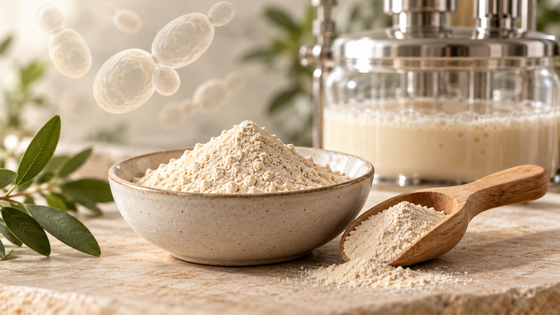
- Supplement examples may include psyllium, beta glucan, pectin, inulin, acacia fiber, and partially hydrolyzed guar gum.
- Tolerance can differ. Some soluble fibers may create more gas or fullness than others, especially when the amount rises quickly.
Insoluble Fiber
Insoluble fiber does not dissolve in water in the same way. It can add structure and bulk to stool.
- Food examples include wheat bran, vegetable skins, nuts, seeds, and some whole grains.
- A person who already feels very full may find a large, sudden increase uncomfortable.
Prebiotic Fiber
Prebiotic fibers are used by certain gut bacteria. Inulin and fructooligosaccharides are common examples. They may fit some routines, but they can also increase gas or bloating in sensitive people.
A Simple Example
One person may do well with oatmeal, berries, and a small amount of a mixed fiber powder. Another person may prefer psyllium with water. A third person may get enough fiber from food and need no supplement. The best choice depends on the person, not the trend.
What Newer Research Says
Recent papers support nutrition and hydration as part of care during antiobesity medication use. They also show why it is important to avoid one-size-fits-all claims.
Nutrition During Antiobesity Medication Use
"ongoing monitoring can facilitate early recognition and management of gastrointestinal symptoms"
Almandoz et al. (2024), Obesity
This review discusses food quality, protein, fiber, micronutrients, and fluids together. It does not describe fiber as a stand-alone answer. The authors also note that evidence for detailed nutrition plans during newer medication use remains limited (Almandoz et al., 2024).
A 2025 joint advisory from major nutrition and obesity organizations also places digestive comfort, nutrient-dense foods, protein, physical activity, and ongoing monitoring in the same care plan (Mozaffarian et al., 2025).
Small Meals and Fluids Matter
"consume small, frequent meals"
Gentinetta et al. (2024), Diabetes, Metabolic Syndrome and Obesity
The paper offers practical meal advice for people who have digestive symptoms during GLP-1 receptor agonist use. The amount and timing still need to be personalized. Hydration advice may also change for people who have heart, kidney, or other conditions that affect fluid needs.
Fiber Studies Show Mixed Results
A 2023 randomized trial in adults with functional constipation found that several fiber formulas were linked with softer stool, but the main bowel movement measures did not differ clearly among groups over time. The study was not limited to GLP-1 users (Lai et al., 2023).
A small 2024 trial comparing agave fructans and psyllium found similar clinical responses, with no clear change in measured transit time. This suggests that a person's response may not depend on one simple mechanism (Coss-Adame et al., 2024).
"Further robust and clear randomized controlled trials are needed"
Xi et al. (2025), Foods
That 2025 review focused on older adults with chronic constipation. It found no clear improvement in stool frequency, although some other measures changed. The finding should not be applied directly to every GLP-1 user. Overall, recent research supports a careful, personal approach rather than a promise that one fiber works for everyone.
How to Choose the Best Fiber Supplement for GLP-1
There is no single best fiber supplement for glp-1 that suits every person. A useful product is one that has a clear label, fits your needs, and is comfortable enough to use consistently if your care team agrees.
- Fiber type: Look for the named source, such as psyllium, inulin, pectin, beta glucan, oat fiber, or acacia fiber.
- Amount per serving: Check the Supplement Facts panel and the serving directions. Do not assume the weight of a blend equals the grams of dietary fiber.
- Simple directions: Choose a form that explains how to mix it and how much fluid to use.
- Flexible serving: A powder may make a gradual introduction easier when the label allows it.
- Added ingredients: Review sweeteners, flavors, protein, vitamins, minerals, and allergens, not only the fiber.
- Comfort: Pay attention to fullness, gas, stool pattern, nausea, and how much you can comfortably drink.
- Medication plan: Ask a pharmacist whether the supplement should be separated from any oral medicine or other supplement.
One Fiber or a Blend
A single-fiber product makes it easier to know exactly what you are trying. A blend can provide several fiber types in one serving. Neither format is automatically better. The label, amount, and personal tolerance matter more than the number of ingredients.
If You Are Sensitive to Texture or Fullness
A smooth powder in a smaller drink may feel easier for some people, while others prefer capsules. Capsules can require several pieces to provide a meaningful amount. Gummies may contain added sweeteners and usually provide less fiber per serving. Compare the full label rather than the front of the package.
How to Start Gently
A simple plan can keep the process manageable:
- Check first. Ask your doctor, dietitian, or pharmacist if a fiber supplement fits your medication plan and health history.
- Look at your current routine. Notice how often you eat fruit, vegetables, beans, whole grains, nuts, and seeds.
- Follow the label. Do not exceed the serving size. If the label and your clinician allow a smaller starting amount, a gradual change may be easier to assess.
- Use enough fluid. Fiber and water work together. Follow the product directions and any personal fluid limit from your care team.
- Keep timing simple. Use a time you can remember, but follow a pharmacist's advice about spacing from oral medicines.
- Watch the pattern. Note comfort, gas, fullness, stool consistency, and bowel frequency. Share ongoing concerns with your care team.
Food First Still Matters
A supplement can fill a gap, but whole foods bring fiber together with vitamins, minerals, and other plant compounds. Small portions can still add up across the day.
- Breakfast: oatmeal with berries or ground flaxseed.
- Snack: a pear, orange, or a small handful of nuts, if tolerated.
- Lunch: beans added to a salad, bowl, or wrap.
- Dinner: cooked vegetables with a whole grain such as barley or brown rice
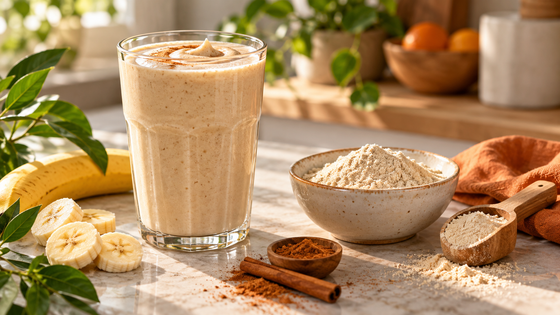
- Easy add-on: chia seeds mixed into yogurt or a smoothie, with enough fluid.
If nausea or strong fullness makes eating difficult, do not force a large high-fiber meal. Ask your care team for a plan that fits the symptoms you are having.
Where Summit Nutritions GLP-1 Total Support Powder May Fit
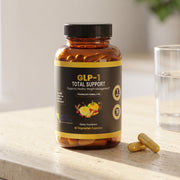
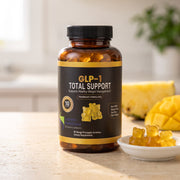
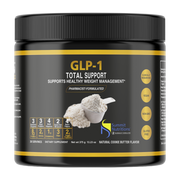
According to its current product page, Summit Nutritions GLP-1 Total Support Powder provides a 3,000 mg fiber blend per scoop. The blend lists a beta glucan ingredient, inulin, apple pectin, and oat fiber. The formula also contains protein, amino acids, collagen ingredients, vitamins, minerals, and digestive enzymes.
This makes it a mixed nutrition product, not a fiber-only product. A user should review the complete Supplement Facts panel and count the product within the full daily food and supplement plan. Because a blend can feel different from a single fiber, tolerance should be observed rather than assumed.
The product is a dietary supplement, not a medication, and it should not be presented as a treatment for constipation, a replacement for a GLP-1 prescription, or a way to create medication-like effects. The product page advises people who take prescription medicine or have a medical condition to speak with a healthcare provider before use (Summit Nutritions, n.d.).
Who Should Check With a Healthcare Professional First
- Anyone who takes prescription medicine or needs help deciding how to space a supplement from oral medicine.
- People with trouble swallowing, a history of intestinal narrowing or blockage, severe delayed stomach emptying, or another serious digestive condition.
- People with kidney, heart, or other conditions that may change fluid, potassium, or nutrient needs.
- Anyone who is pregnant, nursing, under age 18, or managing several supplements at the same time.
- Anyone with severe or persistent digestive symptoms, repeated vomiting, strong abdominal pain, or difficulty staying hydrated.
Do not try to manage a serious or worsening symptom by adding more fiber on your own. Follow the warning information for your medication and contact your prescriber when symptoms are severe, persistent, or concerning.
Common Questions
Does a Fiber Supplement Replace Vegetables and Whole Grains?
No. A supplement can add a specific fiber, but it does not provide the full mix of nutrients found in varied foods. Use it as one part of the routine when needed.
Can Fiber Make Bloating or Fullness Worse?
It can for some people, especially when the amount increases quickly or when a fermentable fiber is used. A smaller change, enough fluid, or a different fiber type may be easier, but ask your care team before changing the plan.
Is the Best Fiber Supplement for GLP-1 the Same for Everyone?
No. The best fiber supplement for glp-1 depends on food intake, symptoms, other medicines, fluid needs, and personal tolerance. A clear label and a simple plan are more useful than a universal ranking.
How Much Fiber Should I Get?
General adult targets often fall near 25 grams per day for women and 30 to 38 grams per day for men, depending on age. These are broad reference points, not a personal prescription, and they include fiber from both food and supplements (Almandoz et al., 2024). Your care team may suggest a different goal.
Can I Take Fiber at the Same Time as My Medication?
Do not guess. Some fiber products can affect how oral medicines are taken or absorbed. The answer depends on the fiber, the medicine, and the product directions. Ask a pharmacist for the right spacing.
The Bottom Line
A fiber supplement for GLP 1 users may be a practical way to support total fiber intake when meals are smaller or food intake has changed. It is not automatically needed, and more is not always better.
- Start with food when it is comfortable and practical.
- Choose a clearly labeled fiber type or blend.
- Make changes gradually and use enough fluid for your needs.
- Check medication timing with a pharmacist.
- Treat digestive symptoms as personal health information, not as a reason to follow a trend.
A good plan should feel simple, fit your care plan, and leave room to adjust. If you are unsure, bring the product label to your doctor, dietitian, or pharmacist and ask how it fits with your meals, medicines, and symptoms.
References
Almandoz, J. P., Wadden, T. A., Tewksbury, C., Apovian, C. M., Fitch, A., Ard, J. D., Li, Z., Richards, J., Butsch, W. S., Jouravskaya, I., Vanderman, K. S., & Neff, L. M. (2024). Nutritional considerations with antiobesity medications. Obesity, 32(9), 1613-1631. https://doi.org/10.1002/oby.24067
Coss-Adame, E., Arenas-Martínez, J. S., García-Cedillo, M. F., Cassis Nosthas, L., & Bustillo-Armendriz, G. (2024). The effect of fiber supplementation with agave fructans or psyllium plantago in symptoms of constipation and its relation with whole and regional transit time and pH. Neurogastroenterology & Motility, 36(11), e14908. https://doi.org/10.1111/nmo.14908
Gentinetta, S., Sottotetti, F., Manuelli, M., & Cena, H. (2024). Dietary recommendations for the management of gastrointestinal symptoms in patients treated with GLP-1 receptor agonist. Diabetes, Metabolic Syndrome and Obesity, 17, 4817-4824. https://doi.org/10.2147/DMSO.S494919
Lai, H., Li, Y., He, Y., Chen, F., Mi, B., Li, J., Xie, J., Ma, G., Yang, J., Xu, K., Liao, X., Yin, Y., Liang, J., Kong, L., Wang, X., Li, Z., Shen, Y., Dang, S., Zhang, L., ... Liu, X. (2023). Effects of dietary fibers or probiotics on functional constipation symptoms and roles of gut microbiota: A double-blinded randomized placebo trial. Gut Microbes, 15(1), 2197837. https://doi.org/10.1080/19490976.2023.2197837
Mozaffarian, D., Agarwal, M., Aggarwal, M., Alexander, L., Apovian, C. M., Bindlish, S., Bonnet, J., Butsch, W. S., Christensen, S., Gianos, E., Gulati, M., Gupta, A., Horn, D., Kane, R. M., Saluja, J., Sannidhi, D., Stanford, F. C., & Callahan, E. A. (2025). Nutritional priorities to support GLP-1 therapy for obesity: A joint advisory from the American College of Lifestyle Medicine, the American Society for Nutrition, the Obesity Medicine Association, and The Obesity Society. The American Journal of Clinical Nutrition, 122(1), 344-367. https://doi.org/10.1016/j.ajcnut.2025.04.023
Xi, N., Yang, X., Liu, J., Yue, H., & Wang, Z. (2025). Effects of dietary fiber supplementation on chronic constipation in the elderly: A systematic review and meta-analysis of randomized controlled trials. Foods, 14(13), 2315. https://doi.org/10.3390/foods14132315
Product Information
Summit Nutritions. (n.d.). GLP-1 Total Support Powder: With fiber, protein, and collagen (30 servings). Retrieved August 24, 2026, from https://summitnutritions.com/products/glp-1-total-support-powder-30-servings