

5 Easy Protein Shakes for GLP-1 Users: Recipes and Tips
Last Updated: 10/10/2026
Written By: Sanskriti Pandey (Senior Marketing Analyst)
Reviewed By: Sam Salia (Founder and Pharmacist)
A handful of berries, a spoonful of yogurt, and a quick blend can turn a few everyday ingredients into something you look forward to sipping. Some mornings call for strawberry and vanilla. Other days, a creamy banana oat shake sounds more inviting.
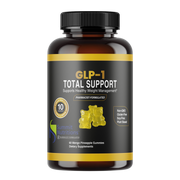
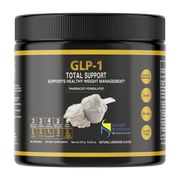
If you are looking for protein shakes for GLP 1 users, these five recipes give you a simple place to start. Each uses a familiar protein food, a modest amount of fruit, and an easy method you can adjust to your taste. There is no long shopping list, and you do not need a powerful kitchen setup. Summit Nutritions is a premium supplement brand offering delicious and nutritious GLP-1 Support Powder with protein, collagen, fiber, amino acids, and essential vitamins and minerals.
You will find exact ingredient amounts, step by step directions, texture tips, and swaps for each shake. Choose the flavor that sounds good today. There is no need to make all five or turn your routine into another project.
Before You Start: a Few Easy Blending Tips
For all five recipes, you will need a blender, measuring cups, a spoon, and a glass. A small kitchen scale is helpful for the yogurt and tofu amounts. Use foods you already enjoy and check ingredient labels for any allergies or dietary needs.
Start with the creamy base
Plain Greek yogurt gives a thick, slightly tangy base. Cottage cheese works too, especially when you blend it with the milk before adding fruit. Silken tofu offers a mild alternative for a recipe built around soy foods.
The protein in these recipes comes mainly from those foods and the milk or soy milk. Fruit brings flavor and color. Vanilla and cinnamon are there for taste, so a little goes a long way.
Add liquid a little at a time
Start with the amount listed, then adjust after blending. One tablespoon of water can loosen a thick shake without making it watery. Adding a large splash at the beginning is harder to undo.
· For a spoonable texture, use frozen fruit and hold back on extra water.
· For an easier sipping texture, use chilled fresh fruit and add water by the tablespoon.
· For a colder drink, try one or two ice cubes after the first blend.
· If the blender struggles, stop it, add a little liquid, and try again. Never push ingredients down while the blades are running.
A quick note about the optional powder
The ingredient lists include an optional cookie butter flavored supplement that is launching soon. The recipes also work without it. Once available, use its final label for the serving size, ingredients, and allergens, and check with your pharmacist or healthcare provider before combining it with prescription medicine. Do not exceed its daily directions or add a serving to several shakes in one day.
The Top 5 Protein Shakes for GLP 1 Users
Each recipe makes one batch, which you can enjoy as one drink or divide into two smaller portions. The protein figures are estimates for the main protein foods only, not a personal target. If you divide a batch in half, divide its protein estimate in half too.
1. Strawberry Cookie Butter Yogurt Shake

This is the one to try when you want a berry shake with a creamy base. Strawberries add a bright fruit flavor, while plain Greek yogurt brings a little tang. The optional cookie butter flavor is a pairing idea for a strawberry and cookie inspired drink, without needing crushed cookies or a dessert topping.
Use ripe strawberries if you have them. Frozen berries are handy when you want a thicker shake or do not have fresh fruit in the fridge.
Prep time: About 5 minutes. Makes: 1 batch. Main protein ingredients: Greek yogurt and milk.
Ingredients
· 170 grams plain low fat Greek yogurt
· 1/2 cup low fat milk
· 1/2 cup strawberries, washed and trimmed if fresh
· Optional: 1 serving of Summit Nutritions GLP-1 Total Support Powder, upcoming cookie butter flavor, following the final label and the note above
· 1 to 3 tablespoons water, only if needed
How to make it
1. Pour the milk into the blender, then spoon in the yogurt. Adding the liquid first helps the ingredients move around the blades.
2. Add the strawberries. Cut very large fresh berries in half before adding them.
3. Blend until smooth, usually about 30 to 45 seconds depending on your blender. Stop the blender before scraping down the sides if needed.
4. Add the optional powder and blend again just until evenly mixed.
5. Check the texture. Add water one tablespoon at a time if you want a thinner shake, then pour into a glass.
Little details that help
· Taste before sweetening. Ripe berries may give you the flavor you want on their own.
· If the shake tastes too tart, try riper strawberries next time or replace a few berries with a small piece of ripe banana.
· If you prefer a less icy drink, use chilled fresh berries and skip the ice.
· Strawberry seeds can leave a little texture. If that is not your favorite, try the peach shake instead.
Easy swaps and protein estimate
Lactose free milk and Greek yogurt can replace the regular dairy versions if they suit you. They still contain milk proteins, so they are not substitutes for someone with a milk allergy.
Approximate protein from the yogurt and milk: 21 grams per batch. Contains milk. Check the optional powder separately for allergens.
2. Blueberry Vanilla Shake

Blueberries and vanilla make a simple pairing that feels at home in a breakfast glass. You only need a small amount of fruit, so this is an easy way to use the last handful of blueberries in the fridge or freezer.
The color will vary from pale purple to a deeper berry shade depending on the fruit. A few tiny flecks of blueberry skin are normal, even after blending.
Prep time: About 5 minutes. Makes: 1 batch. Main protein ingredients: Greek yogurt and milk.
Ingredients
· 170 grams plain low fat Greek yogurt
· 1/2 cup low fat milk
· 1/3 cup blueberries, washed if fresh
· 1/4 teaspoon vanilla extract
· Optional: 1 serving Summit Nutritions GLP-1 Total Support Powder, upcoming cookie butter flavor, following the final label
· Water, one tablespoon at a time, if needed
How to make it
1. Add the milk and yogurt to the blender, followed by the blueberries.
2. Measure in the vanilla. Start with the listed amount because a little extract can change the flavor noticeably.
3. Blend until the berries are broken down and the mixture looks evenly purple.
4. Add the optional powder and blend briefly again.
5. Taste and check the thickness. Add a spoonful of water if needed, then serve.
Little details that help
· Frozen blueberries give a thicker result without adding ice.
· Fresh blueberries give a softer texture that is easier to thin.
· If the berry skins are too noticeable, blend a little longer rather than adding more fruit.
· The shake may thicken as it stands. Stir it before drinking and add a splash of milk if you prefer.
Easy swaps and protein estimate
Swap the blueberries for the same amount of strawberries when you want a different berry flavor. If you use vanilla yogurt, leave out the vanilla extract first and check the yogurt's protein and added sugar information.
Approximate protein from plain Greek yogurt and milk: 21 grams per batch. Contains milk. Substitutions change the estimate.
3. Creamy Peach Cookie Butter Shake

Think soft peach flavor and a smooth, creamy base. Cottage cheese might sound unusual in a drink, but blending it with milk first breaks down the curds. That extra first step is the key to a more even texture.
Peach, vanilla, and a pinch of cinnamon offer a simple flavor combination. The optional cookie butter powder is another pairing to try once it becomes available.
Prep time: About 5 minutes. Makes: 1 batch. Main protein ingredients: Cottage cheese and milk.
Ingredients
· 1/2 cup low fat cottage cheese
· 1/2 cup low fat milk
· 1/2 cup peeled peach slices, with the pit removed, or frozen peach slices
· 1/4 teaspoon vanilla extract
· Optional: A small pinch of ground cinnamon
· Optional: 1 serving Summit Nutritions GLP-1 Total Support Powder, upcoming cookie butter flavor, following the final label
· Water, if needed
How to make it
1. Blend the milk and cottage cheese together before adding anything else. Stop and check that the visible curds have broken down.
2. Add the peaches and vanilla. If using cinnamon, start with just a small pinch.
3. Blend until smooth. Frozen peaches may need a little extra time.
4. Add the optional powder and blend again until evenly mixed.
5. Add a tablespoon of water if needed. Taste before adding any more cinnamon.
Little details that help
· Choose a cottage cheese you enjoy on its own. Its saltiness can carry into the finished shake.
· Ripe peaches are a good choice for a softer fruit flavor.
· Canned peaches packed in water can work too. Drain them before measuring so the shake does not become too thin.
· Peeling fresh peaches is optional for taste, but it gives a smoother result.
Easy swaps and protein estimate
For a tangier version, replace the cottage cheese with 170 grams of plain Greek yogurt. Using the example label values below, that swap changes the protein from the main foods to about 21 grams per batch. The milk stays the same.
Approximate protein from cottage cheese and milk in the original recipe: 17 grams per batch. Contains milk.
4. Mango Vanilla Soy Shake

Mango brings a soft fruit flavor to this recipe, while silken tofu adds body. There is no need for dairy in the food base, and the vanilla gives you a simple starting point before trying the optional cookie butter addition.
Look for plain silken tofu, rather than the firm tofu you might buy for a stir fry. Check that its package permits eating it without further cooking.
Prep time: About 5 minutes. Makes: 1 batch. Main protein ingredients: Silken tofu and soy milk.
Ingredients
· 150 grams plain silken tofu, suitable for eating without further cooking
· 1/2 cup unsweetened soy milk
· 1/3 cup peeled mango pieces, fresh or frozen, with no pit
· 1/4 teaspoon vanilla extract
· Optional: 1 serving Summit Nutritions GLP-1 Total Support Powder, upcoming cookie butter flavor, following the final label
· Water, if needed
How to make it
1. Add the soy milk to the blender. Spoon in the measured tofu, leaving behind any loose packing liquid.
2. Blend until the base is smooth, then add the mango and vanilla.
3. Blend again until the mango is fully broken down. Stop to scrape the sides if needed.
4. Add the optional powder, if using, and blend until mixed.
5. Adjust the thickness with a little water and pour into a glass.
Little details that help
· Use ripe mango for a fuller fruit flavor. If the mango is firm or stringy, the finished drink may have more texture.
· Frozen mango pieces save peeling time and make a colder shake.
· Start with unsweetened soy milk so you can judge the fruit flavor before adding sweetness.
· Check the tofu label. Different silken tofu products can have very different protein amounts.
Easy swaps and protein estimate
Peach can replace mango in the same amount. If you replace soy milk with an almond or oat drink, check the label rather than assuming it provides the same protein. For a dairy free version with powder, confirm that the final powder label also suits that need.
Approximate protein from tofu and soy milk: 12 grams per batch using the example label values below. Contains soy. This is the lower protein option in the group.
5. Banana Oat Cookie Butter Shake

For a thicker shake with familiar pantry ingredients, start here. Ripe banana blends smoothly, and just one tablespoon of oats adds body without turning the glass into a bowl of porridge.
The optional cookie butter flavor is a pairing idea for banana and oats. A small pinch of cinnamon also works in the food only version. This is a useful recipe for the last ripe banana on the counter.
Prep time: About 5 minutes, plus an optional 10 minute soak. Makes: 1 batch. Main protein ingredients: Greek yogurt and milk.
Ingredients
· 170 grams plain low fat Greek yogurt
· 1/2 cup low fat milk
· 1/2 small ripe banana, peeled
· 1 tablespoon rolled oats
· Optional: A small pinch of ground cinnamon
· Optional: 1 serving Summit Nutritions GLP-1 Total Support Powder, upcoming cookie butter flavor, following the final label
· Water, if needed
How to make it
1. For a smoother result, soak the oats in the milk for about 10 minutes. Skip the soak if you do not mind a little oat texture.
2. Pour the milk and oats into the blender. Add the yogurt and banana.
3. Add the cinnamon, if using, and blend until the oats are finely broken down.
4. Add the optional powder and blend briefly again.
5. Check the texture before pouring. This recipe can become quite thick, so add water a tablespoon at a time if you want to sip it through a straw.
Little details that help
· Use a ripe banana with a few brown spots for a sweeter fruit flavor.
· Frozen banana makes a thicker, colder shake. Slice it before freezing so it is easier to blend.
· Start with one tablespoon of oats. More oats will change the texture and may need extra liquid.
· Enjoy it soon after blending if you prefer a thinner drink, since the oats can thicken it as it stands.
Easy swaps and protein estimate
Leave out the oats for a simpler banana yogurt shake. For a gluten free eating plan, use certified gluten free oats where appropriate and check every other ingredient, including the optional powder.
Approximate protein from yogurt and milk: 21 grams per batch, excluding the oats. Contains milk.
How to Read the Protein Estimates
These are planning examples based on the following label values:
· Plain Greek yogurt: 17 grams of protein per 170 grams.
· Milk or soy milk: 8 grams per cup, giving 4 grams in the half cup used here.
· Cottage cheese: 13 grams per half cup.
· Silken tofu: 8 grams per 150 grams.
Your brands may differ. For example, if your yogurt has 15 grams per 170 grams instead of 17, the yogurt and milk base would provide about 19 grams rather than 21. That small label check gives you a better estimate for your own glass.
The figures exclude fruit, oats, flavorings, and the optional powder. They are not a full nutrition analysis, and they do not mean everyone needs that amount in one sitting.
Make Your Next Shake Easier
Pick one recipe to start with, then buy only what you need for that flavor. Most of the dairy recipes use the same milk and yogurt, so moving from strawberry to blueberry does not require a completely new shopping list.
Prep the fruit, then blend when you want it
· Wash and trim fresh berries before portioning them.
· Freeze measured fruit portions in small containers and label them with the recipe name.
· Keep yogurt, milk, cottage cheese, and tofu stored as their packages direct.
· Blend a fresh batch when possible. If saving some, cover and refrigerate promptly and follow ingredient storage guidance.
Fix the texture without starting over
· Too thick? Add one tablespoon of liquid, blend, and check again.
· Too thin? Add a spoonful of your chosen yogurt or tofu, knowing this changes the ingredient amounts and protein estimate.
· Too icy? Use chilled fruit next time and leave out the ice.
· Too foamy? Let the shake settle briefly, then stir before sipping.
· Too strongly flavored? Reduce the vanilla or cinnamon next time. Do not use extra supplement powder as a flavor fix.
A Little Nutrition Context for GLP-1 Users
GLP 1 medicines can reduce appetite, so fitting protein and other nutrients into the day may take some planning. A shake can be one option alongside varied meals, based on your needs (Mozaffarian et al., 2025).
A 2024 review in Obesity highlights “recommended intakes of protein, dietary fiber, micronutrients, and fluids” (Almandoz et al., 2024, Abstract). The practical message is to consider the whole day's food and drink, not just the protein number in one recipe. Read the review.
The 2025 joint advisory in The American Journal of Clinical Nutrition notes that “increased protein intake alone is likely inadequate to support the preservation of muscle mass” (Mozaffarian et al., 2025, “Preservation of muscle and bone mass” section). It considers protein alongside strength training. A shake alone should not be expected to prevent muscle loss. Read the advisory.
These sources discuss general nutrition care. They did not test these recipes or the optional supplement.
Common Questions About Protein Shakes for GLP 1 Users
What if a whole batch feels like too much?
Pour a smaller portion and save the rest promptly in the fridge. Smaller portions may be more comfortable for some people during treatment (Mozaffarian et al., 2025). You do not need to finish a large glass just because the recipe makes one batch.
Can a shake replace breakfast?
It depends on your overall food intake and personal plan. These homemade shakes are not designed as complete meal replacements. A dietitian can help you decide whether to use one as a snack, part of breakfast, or another part of your day.
Do I need to add the powder?
No. The yogurt, milk, cottage cheese, or soy foods form the protein base. You can make all five recipes with those foods alone. If using a supplement, follow its own directions and review it with your healthcare provider.
How much protein should I aim for?
There is no single target for every reader. Your needs depend on your health and eating plan, especially if you have kidney disease or a prescribed diet. Use the recipe numbers as estimates to discuss with your dietitian rather than a reason to keep adding ingredients.
Are these shakes meant to help with nausea?
These are recipe ideas, not treatments for nausea or other medication side effects. Choose ingredients you tolerate and contact your care team if eating or drinking stays difficult. Seek prompt medical care for severe or persistent abdominal pain or an inability to keep fluids down.
Choose the Flavor You Want to Make Again
Start with strawberry for a berry shake, peach for a creamy fruit option, or banana oat when you want to use pantry staples. The best place to begin is a flavor you already enjoy.
Keep the first batch simple. Once you know the texture you like, change one thing at a time, such as using frozen fruit, adding a little vanilla, or thinning with a spoonful of milk. A repeatable recipe can make the next glass easier to put together.
References
Almandoz, J. P., Wadden, T. A., Tewksbury, C., Apovian, C. M., Fitch, A., Ard, J. D., Li, Z., Richards, J., Butsch, W. S., Jouravskaya, I., Vanderman, K. S., & Neff, L. M. (2024). Nutritional considerations with antiobesity medications. Obesity, 32(9), 1613-1631. https://doi.org/10.1002/oby.24067
Mozaffarian, D., Agarwal, M., Aggarwal, M., Alexander, L., Apovian, C. M., Bindlish, S., Bonnet, J., Butsch, W. S., Christensen, S., Gianos, E., Gulati, M., Gupta, A., Horn, D., Kane, R. M., Saluja, J., Sannidhi, D., Stanford, F. C., & Callahan, E. A. (2025). Nutritional priorities to support GLP-1 therapy for obesity: A joint advisory from the American College of Lifestyle Medicine, the American Society for Nutrition, the Obesity Medicine Association, and The Obesity Society. The American Journal of Clinical Nutrition, 122(1), 344-367. https://doi.org/10.1016/j.ajcnut.2025.04.023
A note about this information
This article is for general education and does not replace personal medical advice. Dietary supplements are not intended to diagnose, treat, cure, or prevent any disease. Consult your healthcare provider before combining a supplement with prescription medication.