

All You Need to Know About Supplements That Support GLP 1
Last Updated: 6/4/2026
Written By: Sanskriti Pandey (Senior Marketing Analyst)
Reviewed By: Sam Salia (Founder and Pharmacist)

GLP 1 has become a popular wellness topic, especially for people who are learning more about appetite, digestion, blood sugar balance, and metabolic health. While many people first hear about GLP 1 because of prescription GLP 1 medications, the body also makes its own GLP 1 naturally. Summit Nutritions is a premium wellness brand located in New Jersey.
This blog focuses on supplements that support glp 1 in a gentle, educational way. These supplements are not the same as GLP 1 medications. They do not replace medical treatment. Instead, they may support the body’s normal GLP 1 related pathways through nutrition, gut health, fiber intake, and overall metabolic wellness.
The goal is simple: understand what GLP 1 is, what types of supplements may support it, and how they can fit into a healthy lifestyle.
What Is GLP 1?
GLP 1 stands for glucagon like peptide 1. It is a hormone made in the gut after eating. It is part of the body’s natural communication system between the digestive tract, brain, pancreas, and metabolism.
GLP 1 is involved in normal body functions such as:
- Helping the body respond to food intake
- Supporting normal insulin signaling after meals
- Helping the brain and gut communicate about fullness
- Supporting healthy digestion timing
- Playing a role in appetite related signals
GLP 1 is not only about weight. It is also connected to how the body responds to meals, how the gut senses nutrients, and how the digestive system communicates with the rest of the body.
Research Excerpt
A 2024 review in The American Journal of Clinical Nutrition stated that “meal composition” and “interventions targeting the microbiome” can impact post meal GLP 1 secretion.
This matters because it shows that diet quality, gut health, and meal structure may play a supportive role in normal GLP 1 activity.
What Are GLP 1 Supplements?
GLP 1 supplements are dietary supplements designed to support the body’s natural GLP 1 related pathways. They are not GLP 1 drugs. They do not contain prescription GLP 1 medications unless specifically prescribed and regulated as medicine.
Most supplements that support glp 1 work indirectly. They may support areas connected to GLP 1 activity, such as:
- Gut microbiome balance
- Fiber fermentation in the gut
- Short chain fatty acid production
- Healthy appetite signaling
- Normal post meal metabolic response
- Nutrient intake during reduced appetite
- Digestive comfort
Common supplement categories include:
- Fiber supplements
- Prebiotics
- Probiotics
- Synbiotics
- Protein powders
- Polyphenol rich extracts
- Greens and plant based blends
- Electrolytes
- Digestive support formulas
A simple way to understand it is this: GLP 1 medications directly act on GLP 1 receptors. Supplements that support glp 1 usually support the nutrition and gut environment around the body’s natural GLP 1 system.
Why You Need Supplements That Support GLP 1
Not everyone needs a GLP 1 support supplement. Food, sleep, movement, hydration, and a healthy routine should come first. However, some people may consider supplements that support glp 1 when their daily routine needs extra nutritional support.
You may look into these supplements if:
- You do not get enough fiber from food
- Your meals are low in protein
- Your digestion feels irregular
- You want to support healthy fullness signals
- You are trying to build a more balanced wellness routine
- You are already using GLP 1 medication and want to discuss nutrition support with a healthcare professional
- You want support for healthy metabolic wellness without making strong claims
A Friendly Example
Imagine someone who starts the day with coffee, skips lunch, and eats a large dinner. Their body may not be getting steady fiber, protein, or nutrient support throughout the day.
A better routine may include:
- A protein rich breakfast
- A fiber containing smoothie
- A balanced lunch with vegetables
- Water and electrolytes when needed
- A probiotic or prebiotic if appropriate
This does not mean the supplement causes GLP 1 changes by itself. It simply means the routine is more supportive of the gut and metabolic systems connected to GLP 1 activity.
How Supplements That Support GLP 1 Can Help
Supplements that support glp 1 may help by supporting the body systems that influence normal GLP 1 activity. The best approach is to think of them as wellness support, not as a shortcut.
1. They May Support Gut Health
GLP 1 is made in the gut, so gut health is an important part of the conversation. The gut microbiome may influence how the body responds to food and how gut hormones are signaled.
Probiotics and prebiotics may support a healthy gut environment. Some research suggests that gut bacteria and their metabolites may interact with GLP 1 related pathways.
Research Excerpt
A 2024 review in Foods stated that probiotics can influence intestinal flora metabolites and may stimulate GLP 1 secretion from intestinal L cells.
This is useful information, but it should be understood carefully. The research does not mean every probiotic product will have the same effect. Strain type, dose, diet, and individual gut health can all matter.
2. They May Support Healthy Fullness Signals
Fiber is one of the most common supplement categories connected to GLP 1 support. Certain fibers are fermented by gut bacteria. This process may produce short chain fatty acids, which are linked to gut hormone signaling.
Examples of fiber ingredients include:
- Inulin
- Partially hydrolyzed guar gum
- Psyllium husk
- Resistant starch
- Acacia fiber
- Beta glucan
Fiber may also help meals feel more satisfying. This can support a balanced eating routine.
Simple Food Example
A breakfast with only a sweet drink may not feel satisfying for long. A breakfast with protein, fiber, and healthy fat may feel more balanced.
For example:
- Greek yogurt with berries and chia
- Oatmeal with protein powder and nuts
- A smoothie with fiber, protein, and greens
- Eggs with avocado and vegetables
A fiber supplement can be helpful when the diet does not provide enough fiber, but it should be added slowly and with enough water.
3. They May Support Protein Intake
Protein is important for people focused on appetite, body composition, and wellness. It is also important for people using prescription GLP 1 medications because appetite may be reduced, which can make it harder to eat enough protein.
Protein supplements may help support:
- Daily protein intake
- Muscle maintenance when paired with resistance exercise
- Meal balance
- Satiety as part of a healthy diet
Common options include:
- Whey protein
- Plant protein
- Collagen protein
- Essential amino acid blends
Protein supplements do not replace whole foods. They are best used when they help fill a practical gap.
Research Excerpt
A 2025 joint advisory published in The American Journal of Clinical Nutrition noted that nutrition and lifestyle strategies are important during GLP 1 therapy, including support for nutrient intake, muscle, bone, and digestive comfort.
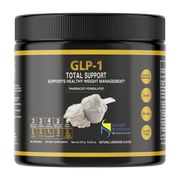
This supports the idea that GLP 1 wellness is not only about appetite. It is also about maintaining nutrition quality. Our GLP-1 powder contains support ingredients like protein, fiber, collagen, amino acid blend, electrolytes, prebiotics and probiotics!
4. They May Support Polyphenol Intake
Polyphenols are natural plant compounds found in foods like berries, cocoa, green tea, coffee, grapes, turmeric, and colorful fruits and vegetables.
Some polyphenols are poorly absorbed, meaning they can reach the gut and interact with gut cells or gut bacteria. Research is still developing, but polyphenols are being studied for their possible relationship with GLP 1 secretion and gut hormone signaling.
Examples of polyphenol rich ingredients include:
- Green tea extract
- Cocoa extract
- Grape seed extract
- Berry extracts
- Curcumin
- Citrus flavonoids
Research Excerpt
A 2024 review in Bioscience, Biotechnology, and Biochemistry discussed examples of health effects of polyphenols that may be mediated by GLP 1 secretion.
This does not mean polyphenols should be treated like GLP 1 medication. It means they are an interesting nutrition category for ongoing research.
5. They May Support Digestive Comfort
Some people interested in GLP 1 support also care about digestion. A balanced formula may include ingredients that support regularity, hydration, and digestive comfort.
Examples include:
- Fiber
- Probiotics
- Ginger
- Peppermint
- Digestive enzymes
- Electrolytes
Digestive comfort matters because people are more likely to stay consistent with a wellness routine when it feels practical and easy.
Real World Examples
Example 1: The Busy Professional
A busy professional eats lunch late, drinks too much coffee, and often feels hungry at night.
A supportive routine may include:
- A morning protein shake with fiber
- A balanced lunch with vegetables
- Water throughout the day
- A probiotic if gut support is needed
- A lighter evening meal with protein and plants
This routine may support better meal balance and fullness signals without making medical claims.
Example 2: The Person Who Does Not Eat Enough Fiber
Someone may eat enough calories but very little fiber. They may rely on bread, snacks, and takeout meals.
A practical support plan may include:
- Adding vegetables to two meals daily
- Using psyllium or acacia fiber as tolerated
- Choosing berries, beans, oats, or chia
- Drinking enough water
The goal is not to force a dramatic change. The goal is to support the gut in a realistic way.
Example 3: The Person Taking a Prescription GLP 1 Medication
Someone using a prescription GLP 1 medication may have a lower appetite. That can make it harder to get enough protein, fluids, vitamins, minerals, and fiber.
A supportive supplement routine may include:
- Protein powder to help meet protein needs
- Electrolytes for hydration support
- Fiber used carefully and slowly
- A multivitamin if recommended by a healthcare professional
- Probiotics or prebiotics if suitable
Anyone using prescription medication should speak with a healthcare professional before adding supplements.
Example 4: The Wellness Focused Consumer
A consumer may not be using any medication but wants a gentle metabolic wellness routine.
A practical approach may include:
- Protein with breakfast
- Fiber from food and supplements if needed
- Polyphenol rich foods like berries, tea, and cocoa
- Daily walking
- Strength training
- Sleep support
This is where supplements that support glp 1 can fit into a broader wellness plan.
Ingredients Commonly Used in Supplements That Support GLP 1
These are few commonly used ingredients in supplements that support GLP 1:
Fiber and Prebiotics
These ingredients may support gut bacteria and digestive regularity.
Common examples:
- Inulin
- Psyllium husk
- Acacia fiber
- Resistant starch
- Partially hydrolyzed guar gum
- Fructooligosaccharides
Probiotics
Probiotics may support a healthy gut microbiome. Not all strains are the same, so formula quality matters.
Common examples:
- Lactobacillus strains
- Bifidobacterium strains
- Bacillus strains
- Multi strain probiotic blends
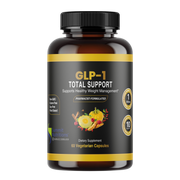
Our GLP-1 Capsules is a powerful support blend with 1 billion prebiotics and postbiotics!
Synbiotics
Synbiotics combine probiotics and prebiotics. The goal is to support gut bacteria and provide a food source for them.
Protein
Protein can support meal balance and muscle maintenance when used with a healthy diet and resistance exercise.
Common examples:
- Whey protein
- Pea protein
- Rice protein
- Collagen peptides
- Complete plant protein blends
Polyphenol Rich Botanicals
These plant compounds are being studied for their relationship with gut health, metabolic wellness, and gut hormone signaling.
Common examples:
- Green tea
- Cocoa
- Turmeric
- Grape seed
- Citrus bioflavonoids
- Berry extracts
Electrolytes
Electrolytes may help support hydration, especially for people whose appetite or food intake has changed.
Common examples:
- Sodium
- Potassium
- Magnesium
- Chloride
What to Look for in a Quality GLP 1 Support Supplement
When choosing supplements that support glp 1, look for quality and clarity.
A good product should have:
- Clear supplement facts panel
- Practical ingredient doses
- No exaggerated claims
- No promise of drug like results
- Testing standards for quality and safety
- Clear directions for use
- Supportive language, not disease treatment language
- A formula that makes sense for the intended use
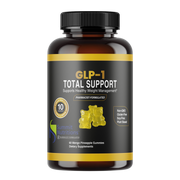
Our GLP-1 Gummies contain 10 clinically-researched ingredients.
Be careful with products that claim:
- Rapid fat loss
- Works like Ozempic
- Replaces GLP 1 medication
- Cures diabetes
- Melts belly fat
- Guarantees appetite control
- Blocks all cravings
These are strong claims and may not be appropriate for dietary supplements.
Supplement Safety and Compliance Notes
Dietary supplements can support wellness, but they are not intended to diagnose, treat, cure, or prevent any disease.
Before using GLP 1 related supplements, people should speak with a healthcare professional if they:
- Are pregnant or nursing
- Have diabetes or blood sugar concerns
- Take prescription medication
- Use GLP 1 receptor agonist medication
- Have digestive conditions
- Have kidney disease
- Are preparing for surgery
- Have allergies or sensitivities
Fiber should be started slowly. Probiotics may not be right for everyone. Botanical extracts may interact with medications. More is not always better.
Simple Daily Routine to Support GLP 1 Wellness
A supportive routine can be simple.
Morning
- Start with water
- Eat protein with breakfast
- Add fiber from food or supplement if needed
Midday
- Choose a balanced lunch
- Include vegetables or legumes
- Walk for a few minutes after eating if possible
Evening
- Keep dinner balanced
- Avoid very large late night meals when possible
- Focus on sleep quality
Weekly
- Strength train if appropriate
- Add colorful plant foods
- Keep meals consistent
- Review supplement use with a healthcare professional when needed
Frequently Asked Questions
Here are few commonly asked questions on supplements that support GLP 1:
Are GLP 1 supplements the same as GLP 1 medications?
No. GLP 1 supplements are not the same as prescription GLP 1 medications. Supplements may support the body’s natural GLP 1 related pathways, while medications are designed to act directly through GLP 1 receptors.
Can supplements that support glp 1 help with appetite?
Some ingredients, such as fiber and protein, may support normal fullness signals as part of a healthy diet. However, supplements should not be described as guaranteed appetite control products.
Can I take GLP 1 support supplements with GLP 1 medication?
You should ask your healthcare professional first. Some supplements may be appropriate, but individual needs can vary.
What is the best supplement for support?
There is no single best supplement for everyone. A practical formula may include fiber, probiotics, protein, or polyphenol rich ingredients, depending on the person’s diet and wellness goals. You could try our ultimate GLP 1 Support System for holistic benefits.
Are natural GLP 1 supplements proven to work like prescription drugs?
No. Supplements should not be compared to prescription GLP 1 medications. They may support wellness pathways, but they are not drug replacements.
How Summit Nutritions Can Help
At Summit Nutritions, we believe wellness should be practical, thoughtful, and supported by quality ingredients. Supplements that support glp 1 can be part of a smarter nutrition routine when they are formulated responsibly and used with healthy meals, movement, hydration, and professional guidance. Our approach is not about quick promises or hard claims. It is about helping people support their natural wellness systems with clean, carefully selected ingredients that fit into real life. Check out our collection of supplement products here!
References
Huber, H., Schieren, A., Holst, J. J., & Simon, M. C. (2024). Dietary impact on fasting and stimulated GLP-1 secretion in different metabolic conditions: A narrative review. The American Journal of Clinical Nutrition, 119(3), 599 to 627. https://doi.org/10.1016/j.ajcnut.2024.01.007
Mozaffarian, D., Agarwal, M., Aggarwal, M., and colleagues. (2025). Nutritional priorities to support GLP-1 therapy for obesity: A joint advisory from the American College of Lifestyle Medicine, the American Society for Nutrition, the Obesity Medicine Association, and The Obesity Society. The American Journal of Clinical Nutrition. https://doi.org/10.1016/j.ajcnut.2025.04.023
Shen, X., and colleagues. (2024). The role and mechanism of probiotics supplementation in blood glucose regulation. Foods, 13(17), 2719. https://www.mdpi.com/2304-8158/13/17/2719 https://doi.org/10.3390/foods13172719
Yamashita, Y. (2024). Physiological functions of poorly absorbed polyphenols via the glucagon-like peptide 1. Bioscience, Biotechnology, and Biochemistry, 88(5), 493 to 500. https://doi.org/10.1093/bbb/zbae021
Zeng, Y., and colleagues. (2024). Crosstalk between glucagon-like peptide 1 and gut microbiota. mBio. https://doi.org/10.1128/mbio.02032-23