

Your Ultimate Guide to Choosing an All Natural GLP-1 Supplement
Last Updated: 9/27/2026
Written By: Sanskriti Pandey (Senior Marketing Analyst)
Reviewed By: Sam Salia (Founder and Pharmacist)

What Is an All Natural GLP 1 Supplement?
If you search for an all natural GLP-1 supplement, you will find many different products. Some are capsules. Some are powders. Some are gummies. Some focus on fiber, protein, probiotics, vitamins, minerals, amino acids, or botanical ingredients. The name can make the category sound simple, but the products can be very different from one another.
The most important starting point is that a dietary supplement is not the same thing as a prescription GLP-1 medicine. Prescription medicines have specific active drug ingredients, approved uses, dosing instructions, and safety information. Dietary supplements are a separate category. They can provide nutrients and other dietary ingredients that may support normal body functions, but they should not be presented as a natural version of a prescription drug. Summit Nutritions is a premium GLP-1 supplement brand based in the US.
The phrase all natural also needs context. Natural is not a medical guarantee, and it does not automatically mean that a product is safe for every person, appropriate with every medicine, or proven to produce a specific result. A better way to shop is to look at the actual ingredients, serving amounts, quality information and your own nutrition needs.
Prescription GLP-1 Medicines and Dietary Supplements Are Not the Same
GLP-1 based prescription medicines are used for specific medical purposes. The exact approved use depends on the drug and product label. FDA lists Ozempic and Wegovy as semaglutide products and Mounjaro and Zepbound as tirzepatide products. Ozempic and Mounjaro are associated with type 2 diabetes indications, while Wegovy and Zepbound have obesity or overweight indications on FDA listings. Tirzepatide acts on both GIP and GLP-1 pathways.
Novo Nordisk manufactures Ozempic and Wegovy. Eli Lilly manufactures Mounjaro and Zepbound. These prescription products should be used under the direction of a qualified healthcare professional. A dietary supplement should not be used to replace, copy, change, or stop a prescription treatment plan.
FDA reference: FDA list of approved GLP-1 receptor agonists and related products
Why People Using GLP-1 Medicines May Pay More Attention to Nutrition
Prescription GLP-1 therapies can reduce appetite and food intake. Some people also experience nausea, vomiting, constipation, diarrhea, fullness or other digestive effects. When appetite becomes smaller, the amount of food eaten during the day may also become smaller. That can make food quality more important.
This does not mean that every person taking a GLP-1 medicine needs a supplement. It means that some people may need to pay closer attention to whether they are getting enough protein, fluids, fiber, vitamins, minerals, and overall nourishment. The right support may come from food alone, from a dietitian guided eating plan, from fortified foods, or from a dietary supplement when it fits the person and the treatment plan.
A useful way to think about it is this: if someone used to eat three full meals and now comfortably eats much smaller portions, the total amount of nutrition in the day can change. The goal is not to force more food. The goal is to make the food and beverages that are tolerated count.
What Recent Research Says
Recent research has moved beyond the question of whether GLP 1 medicines can change body weight. Researchers are now paying more attention to nutrition quality, lean mass, protein intake, micronutrients, digestive tolerance, physical activity and what happens when treatment continues for a long time.
Research point 1: Nutrition should stay part of GLP-1 care
A 2025 joint advisory from the American College of Lifestyle Medicine, American Society for Nutrition, Obesity Medicine Association, and The Obesity Society recommends a practical nutrition and lifestyle approach alongside GLP-1 treatment for obesity. The paper discusses dietary quality, adequate nutrient intake, side effect management, muscle and bone health, physical activity, and long-term support.
Research excerpt:
“We need to bridge nutritional and pharmacological research for long-term successful implementation of weight loss medication in practice.”
Why it matters: medication can be one part of care, while everyday nutrition and lifestyle habits still matter. The paper does not say that everyone needs a supplement. It supports a broader nutrition plan that can be adjusted to the person.
Research point 2: Reduced intake can make micronutrient review more important
A 2026 review in Clinical Nutrition ESPEN discusses energy intake, protein, micronutrients, and lean mass during GLP-1 based treatment. It notes that people with obesity can already have micronutrient gaps before treatment and that reduced intake, nausea, or vomiting may make those gaps more important in some people.
Research excerpt:
“baseline micronutrient inadequacies are common in people with obesity”
Why it matters: smaller meals do not automatically create a deficiency, but they can be a reason to look more carefully at diet quality and avoid taking random high-dose supplements without a clear reason.
Research point 3: Lean mass deserves attention, but the topic is nuanced
A 2024 review in Diabetes, Obesity and Metabolism explains that lean mass changes during GLP-1 based weight loss vary across studies. Lean mass is also not exactly the same thing as skeletal muscle because it includes water, organs, and other nonfat tissue.
Research excerpt:
“changes in lean mass may not always reflect changes in muscle mass”
A 2025 network meta analysis in Metabolism also found that GLP-1 based therapies were associated with reductions in total body weight, fat mass, and some lean mass across the included trials. This is one reason protein intake, resistance exercise, and overall nutrition are often discussed together during significant weight loss.
Research point 4: Practical nutrition frameworks are becoming more specific
A 2026 review in Nutrients describes a nutrition first framework for GLP-1 and dual incretin therapy. It discusses protein prioritization, meal structure, hydration, fiber, digestive symptoms, resistance training, and long-term maintenance. The authors also make an important limitation clear: direct trials of structured nutrition programs specifically in GLP-1 treated populations are still limited, so some practical recommendations are drawn from the broader nutrition and weight management literature.
Research excerpt:
“Integrating structured nutrition care into pharmacotherapy pathways may help address meal-related symptom burden”
So, What Should an All Natural GLP-1 Supplement Actually Do?
A responsible supplement choice should have a simple role. It should help fill a practical nutrition or wellness gap without pretending to be a prescription drug. That is a much better standard than asking whether a product can increase GLP-1, copy semaglutide, suppress appetite, or guarantee weight loss.
Before buying, ask what you want the product to add to your routine. Common goals may include:
· Adding fiber when your usual diet is low in fiber.
· Making it easier to include some protein or amino acids when meals are small.
· Adding selected vitamins or minerals when they fit your diet and healthcare plan.
· Including prebiotic or probiotic ingredients as part of a general gut wellness routine.
· Choosing a convenient format that helps you stay consistent with your overall nutrition plan.
A supplement does not need to do everything. In many cases, a simpler product that addresses a real need can make more sense than a long ingredient list with big promises.
Step 1: Start With Food and Your Daily Intake
The first step is not the supplement shelf. It is your normal day. Think about what you actually eat and drink. If you use a GLP-1 medicine, think about how that pattern changed after starting treatment.
Questions to ask yourself include:
· Are you skipping meals because you are not hungry?
· Do you feel full after only a few bites?
· Are you drinking enough fluid through the day?
· Are protein foods still showing up regularly?
· Are fruits, vegetables, beans, or whole grains still part of the routine?
· Are digestive symptoms making certain foods harder to tolerate?
· Are you already taking a multivitamin or other supplements that could overlap?
Example: someone who eats Greek yogurt, eggs, chicken, or tofu regularly may already be doing well with protein, but may be getting very little fiber. That person has a different need than someone who eats fruit and vegetables regularly but struggles to include enough protein foods.
Step 2: Read the Supplement Facts Panel, Not Just the Front Label
The front of a bottle is designed to catch attention. The Supplement Facts panel is where the useful details live. Look at the serving size, nutrient amounts, ingredient blends, and other ingredients.
Pay attention to four things:
1. Serving size. Make sure you know whether a serving is one capsule, two capsules, one scoop, or two gummies.
2. Actual amounts. Look for the amount of each vitamin, mineral, or blend when it is provided.
3. Overlapping ingredients. Compare the formula with your multivitamin, protein powder, electrolyte mix, and any other supplement you already use.
4. Other ingredients. Sweeteners, sugar alcohols, flavors, and capsule materials may matter if you have digestive sensitivities or dietary preferences.
Step 3: Look at Fiber Carefully
Fiber is an important part of a balanced diet and supports normal digestive function. Food sources include beans, lentils, oats, whole grains, berries, vegetables, fruit, nuts, and seeds. If these foods are missing or present only in small amounts, a fiber-containing supplement may be one way to add support.
More is not always better, especially all at once. People using GLP-1 medicines can already experience digestive changes. A sudden increase in fiber may feel uncomfortable for some people, particularly when fluid intake is low. If you have persistent nausea, vomiting, severe constipation, significant bloating or known digestive conditions, discuss fiber choices with your healthcare professional.
Step 4: Think About Protein and Muscle Support
Protein provides amino acids that the body uses for normal tissue maintenance and repair. During meaningful weight loss, researchers often discuss protein intake together with resistance exercise because both are relevant to muscle health and physical function.
Food first options can be simple:
· Eggs or egg whites.
· Greek yogurt or cottage cheese.
· Fish, poultry or lean meat, if included in your diet.
· Tofu, tempeh, beans or lentils.
· Milk or a fortified plant beverage.
· A protein containing smoothie when a larger meal does not sound appealing.
If you choose a powder, check the actual grams of protein per serving instead of assuming that every product marketed around muscle or GLP 1 support is a high protein product. This is especially important because some multi ingredient powders contain only a modest amount of protein and are designed more as broad wellness blends.
Step 5: Consider Hydration and Electrolytes
Hydration can be easy to overlook when appetite is lower. Some people also drink less because they feel full quickly. Water remains the basic starting point. Broth, milk, fortified beverages and other tolerated fluids can also contribute to daily intake.
Electrolyte products are not automatically necessary for everyone. They may be useful in selected situations, but they can also add sodium, potassium or other minerals that may not be appropriate for every person. If you have kidney disease, heart disease, blood pressure concerns or take medicines that affect electrolytes, ask your clinician before adding concentrated electrolyte products.
Step 6: Use Vitamins and Minerals With a Reason
A lower food intake can make it harder for some people to reach their usual micronutrient intake. That does not mean high doses are automatically helpful. A good supplement plan should avoid unnecessary duplication and very high amounts unless there is a clear reason.
Check whether the product contains vitamin D, B vitamins, zinc, magnesium, potassium or other nutrients that may already be present in another supplement. If you have a known deficiency, laboratory monitoring or a clinician recommended dose may be more useful than guessing.
Step 7: Understand Prebiotics and Probiotics
Prebiotics are dietary ingredients that can be used by microorganisms in the gut. Probiotics are live microorganisms used in certain foods and supplements. Their effects can depend on the specific strain, amount and product formulation.
For an easy comparison, ask whether the product clearly identifies the probiotic organisms and whether it provides an amount such as colony forming units. Also remember that a probiotic is not a treatment for every digestive symptom. Ongoing pain, vomiting, severe constipation or other significant symptoms deserve medical attention rather than self treatment with more supplements.
Step 8: Be Extra Careful With Botanical Ingredients
Many products marketed as natural include concentrated botanical extracts. Examples found across the supplement market include berberine, cinnamon extracts, turmeric or curcumin, resveratrol and other plant based ingredients.
Natural does not mean interaction free. Some botanical ingredients can affect how medicines work, and the effect can depend on dose, extract type and the medicines you take. This matters even more for people using diabetes medicines or other prescriptions. If a formula contains several concentrated botanicals, show the ingredient list to your doctor or pharmacist before adding it to your routine.
Step 9: Check Quality, Transparency and Manufacturing Information
A quality focused shopper should look for more than attractive packaging. Useful questions include:
· Is the Supplement Facts panel easy to read?
· Does the company list its contact information?
· Are serving directions and cautions clear?
· Does the company state that the product is made under dietary supplement current Good Manufacturing Practice requirements or standards?
· Is there testing for identity, strength, microbiological quality or contaminants when appropriate?
· Can the company provide useful quality documentation if requested?
· Does the marketing stay away from disease treatment claims and guaranteed outcomes?
Independent testing or certification can add useful information, but a seal does not automatically mean the product is right for your medical history or prescription plan.
Step 10: Watch for Marketing Red Flags
This is one of the most important parts of choosing an all natural glp 1 supplement. Be cautious when a supplement is marketed with language that sounds like a drug claim.
Examples of red flags include:
· “Natural Ozempic” or wording that suggests the supplement is equivalent to a prescription medicine.
· Guaranteed weight loss or guaranteed appetite suppression.
· Claims that the product treats diabetes, obesity, or another disease.
· Claims that you can stop a prescription medicine after using the supplement.
· A promise that one ingredient works for everyone.
· Before and after claims that imply a guaranteed result without important context.
FDA explains that dietary supplement structure and function claims must be truthful and not misleading, and they cannot claim to diagnose, treat, cure, or prevent disease. That is why responsible wording usually focuses on normal body function, general wellness, and nutritional support.
FDA reference: Label Claims for Conventional Foods and Dietary Supplements
How to Choose Between Capsules, Powder, and Gummies
There is no universal best format. The right choice depends on your routine, your ingredient needs, and what you tolerate comfortably.
Capsules
Capsules can be convenient when you want a quick routine without mixing a drink. They may also be easier to store or travel with. On the other hand, multi-ingredient capsule formulas can include several botanicals in a small serving, so medication users should read the ingredient list carefully.
Powders
Powders can be useful when you prefer to add nutrition to a beverage. They can also make it easier to include fiber, amino acids, vitamins, or some protein in one routine. The key is to check the actual amount of each ingredient rather than assuming the powder provides a full meal or a high-protein serving.
Gummies
Gummies can be easier for people who do not like swallowing capsules. They may contain sweeteners or sugar alcohols to create the texture and taste. People who are sensitive to sugar alcohols may want to factor that into their choice, especially if they already experience digestive symptoms.
A Simple Comparison Example
Imagine three people using a prescription GLP-1 medicine under medical care.
· Person A eats enough protein but very little fiber. A fiber-focused food plan, with a supplement only if needed, may make more sense than another protein product.
· Person B eats very small meals and rarely includes a protein food. The first step may be easier protein foods or a more protein-focused beverage. A broad multi-ingredient wellness powder may not provide enough protein by itself, so the label matters.
· Person C eats reasonably well but wants a simple gut wellness routine. A capsule with clearly labeled prebiotic or probiotic ingredients may fit better than a large powder, provided the full botanical formula is appropriate with their medicines.
The lesson is simple: choose by the need, not by the biggest marketing claim.
Where Summit Nutritions' GLP Total Support Fits
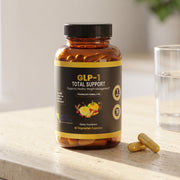
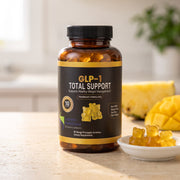
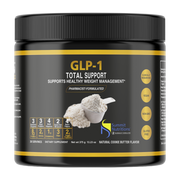
Summit Nutritions offers three GLP-1 Total Support formats: capsules, powder and gummies. They are dietary supplements, not prescription GLP 1 medicines. The collection is best viewed as a set of options for everyday nutrition and wellness support, with each format offering a different ingredient profile.
Explore the Summit Nutritions GLP 1 Total Support collection.
GLP 1 Total Support Capsules
The capsules include a prebiotic and probiotic blend together with L glutamine, beta glucan and several botanical ingredients. This format may appeal to someone who prefers capsules and wants a gut and digestive wellness focused routine. Because the formula also contains concentrated botanical ingredients such as berberine, cinnamon extract, turmeric extract and resveratrol, people taking prescription medicines should review the full ingredient list with a doctor or pharmacist before use.
View GLP 1 Total Support Capsules
GLP 1 Total Support Powder
The powder includes a fiber blend, plant protein, amino acids, a vegan collagen labeled ingredient, digestive enzymes and selected vitamins and minerals. It can be a practical format for someone who prefers a drink and wants several nutrition related ingredients in one serving. It should not be assumed to be a complete meal or a high protein product. Check the Supplement Facts panel for the exact amounts and compare its vitamins with any multivitamin or other supplement you already take.
View GLP 1 Total Support Powder
GLP 1 Total Support Gummies
The mango pineapple gummies provide a chewable format with zinc, L glutamine, beta glucan, inulin and botanical ingredients. They also list maltitol and isomalt among the other ingredients. This may be a convenient option for people who prefer gummies, while people who are sensitive to sugar alcohols may want to keep that part of the ingredient list in mind.
View GLP 1 Total Support Gummies
Product note:
The product descriptions above are based on the Summit Nutritions product pages reviewed for this article. Always use the current product label as the final source for serving directions, ingredients and cautions because formulas and packaging can change.
If You Use Ozempic, Wegovy, Mounjaro or Zepbound
People using these medicines may benefit from paying extra attention to nutrition, but that does not mean everyone needs the same supplement. A person with strong food intake and no nutrition gaps may not need an added product. Another person with very small meals, limited protein foods or a restricted diet may need a more structured nutrition plan.
A helpful checklist to discuss with your healthcare professional is:
· Has my appetite changed enough that I am regularly missing meals?
· Am I getting a protein food at least a few times during the day?
· Am I drinking enough fluid?
· Are nausea, vomiting, constipation, or other digestive symptoms limiting what I can eat?
· Do I have a known vitamin or mineral deficiency?
· Am I losing strength or having difficulty maintaining normal activity?
· Could any botanical ingredient in this supplement interact with my prescription medicines?
Do not stop or change a prescription GLP-1 medicine because of a supplement or a blog article. Medication decisions belong with the prescriber who knows your health history and treatment goals.
Who Should Be Especially Careful Before Adding a Supplement?
A quick professional review is especially important if you:
· Take prescription medicines, especially medicines for blood sugar, blood pressure, clotting, or other ongoing conditions.
· Are pregnant or nursing.
· Are under 18.
· Have kidney, liver, or significant digestive conditions.
· Have persistent vomiting, severe constipation, or difficulty keeping food and fluids down.
· Use several supplements already, and may be duplicating vitamins, minerals, or botanicals.
· Are preparing for a procedure or surgery and have been told to stop certain supplements beforehand.
Questions to Ask Before You Buy an All Natural GLP 1 Supplement
· What specific nutrition or wellness need am I trying to support?
· Can I cover that need with food first?
· What is the exact serving size?
· How much fiber, protein, vitamins, or minerals does one serving actually provide?
· Does the product contain botanical extracts that could interact with my medicines?
· Am I already getting the same nutrients from another product?
· Does the company provide clear directions, cautions, and contact information?
· Does the marketing sound like nutritional support, or does it sound like an unapproved drug promise?
· Can I use this format consistently without making my routine harder?
Frequently Asked Questions
Is an all natural GLP 1 supplement the same as a GLP 1 medication?
No. A dietary supplement is not the same as a prescription GLP 1 medicine. Supplements can provide nutrients and other dietary ingredients, but they should not be presented as replacements for semaglutide, tirzepatide or other prescription treatments.
Can a supplement replace Ozempic, Wegovy, Mounjaro or Zepbound?
No. A dietary supplement should not replace a prescribed medicine. Talk with the prescriber before changing or stopping any prescription treatment.
Does everyone taking a GLP 1 medicine need a support supplement?
No. Needs are individual. Some people can meet their nutrition needs through food, while others may need more structured nutrition support because appetite, food tolerance or total intake has changed. A supplement is one possible tool, not a requirement for everyone.
What should I look for first in a natural GLP 1 support supplement?
Start with your actual nutrition goal and the Supplement Facts panel. Look for clear ingredient amounts, realistic directions, quality information and supportive wording rather than claims to treat disease or copy a prescription drug.
Should I choose fiber, protein, probiotics, or vitamins?
Choose based on what your diet is missing and what your healthcare plan allows. A person who needs more fiber has a different goal from a person who struggles to include protein foods. If you are not sure, a registered dietitian or healthcare professional can help review your intake.
Are natural botanical ingredients always safe with prescription medicines?
No. Natural ingredients can still cause side effects or interact with medicines. The more concentrated botanical ingredients a formula contains, the more important it is to review the label with a doctor or pharmacist if you use prescription medicines.
Is a gummy better than a capsule or powder?
Not necessarily. Gummies can be easy to take, capsules are convenient, and powders can carry a broader mix of ingredients. The better choice is the one that matches your needs, fits your routine, and has an ingredient list that is appropriate for you.
Can I take more than one GLP 1 support product together?
Combining products can increase overlap in vitamins, minerals, botanicals or other ingredients. If you want to use more than one product, compare the labels first and discuss the combination with a healthcare professional, especially if you also take prescription medicines.
A Practical 5 Minute Label Check
If you want a quick way to compare products, use this five step check in the store or online:
1. Read the serving size and the full Supplement Facts panel.
2. Circle the ingredients that match your actual goal, such as fiber, protein, prebiotics or selected vitamins.
3. Check for duplicates with your current supplements.
4. Flag concentrated botanicals or very high nutrient amounts for a medication and safety review.
5. Ignore any promise that sounds like a prescription drug claim or a guaranteed outcome.
That simple process usually tells you more than the words natural, advanced, metabolic or GLP 1 on the front of the package.
Final Thoughts
Choosing an all natural glp 1 supplement does not have to be complicated. The best place to start is not a marketing promise. It is your own nutrition pattern.
If you use a prescription GLP-1 medicine, pay attention to food quality, protein, fiber, fluids, and overall nutrient intake as your appetite and meal size change. Research published since 2023 increasingly supports the idea that nutrition and lifestyle care should remain part of GLP 1 treatment, while also showing that important questions about the best nutrition approach are still being studied.
A dietary supplement can be one supportive part of that routine when it has a clear purpose, fits your medical plan and is used according to its label. It should not be treated as a natural prescription drug or as a guaranteed way to change weight or appetite.
For readers who want to compare Summit Nutritions options, the GLP 1 Total Support collection includes capsules, powder and gummies with different ingredient profiles so you can review the format and Supplement Facts panel that best fits your routine.
Explore the GLP 1 Total Support collection.
Research Excerpts at a Glance
These short excerpts are included to show the direction of recent research. They are not product claims and do not mean that any specific supplement has been proven to produce the outcomes studied in prescription GLP 1 research.
|
Source |
Short excerpt |
Plain language takeaway |
|
Mozaffarian et al., 2025 |
“We need to bridge nutritional and pharmacological research for long-term successful implementation of weight loss medication in practice.” |
Nutrition and lifestyle support should remain part of GLP 1 care. |
|
Arslan, 2026 |
“baseline micronutrient inadequacies are common in people with obesity” |
Lower intake can make nutrition review more relevant for some people. |
|
Neeland et al., 2024 |
“changes in lean mass may not always reflect changes in muscle mass” |
Body composition findings need careful interpretation. |
|
Zambrano-Villacres et al., 2026 |
“Integrating structured nutrition care into pharmacotherapy pathways may help address meal-related symptom burden” |
Practical nutrition care may help people manage eating patterns and tolerability. |
References
All journal articles below were published after 2022. DOI links were checked against PubMed or the journal publisher page while preparing this document.
Arslan, S. (2026). Medical nutrition in the glucagon-like peptide-1 (GLP-1) era: Protein strategies, micronutrient monitoring, and lean mass preservation. Clinical Nutrition ESPEN, 73, 103305. https://doi.org/10.1016/j.clnesp.2026.103305
Beavers, K. M., Cortes, T. M., Foy, C. M., Dinkla, L., Reyes San Martin, F., Ard, J. D., Serra, M. C., & Beavers, D. P. (2025). GLP1Ra-based therapies and DXA-acquired musculoskeletal health outcomes: A focused meta-analysis of placebo-controlled trials. Obesity, 33(2), 225-237. https://doi.org/10.1002/oby.24172
Karakasis, P., Patoulias, D., Fragakis, N., & Mantzoros, C. S. (2025). Effect of glucagon-like peptide-1 receptor agonists and co-agonists on body composition: Systematic review and network meta-analysis. Metabolism, 164, 156113. https://doi.org/10.1016/j.metabol.2024.156113
Mozaffarian, D., Agarwal, M., Aggarwal, M., Alexander, L., Apovian, C. M., Bindlish, S., Bonnet, J., Butsch, W. S., Christensen, S., Gianos, E., Gulati, M., Gupta, A., Horn, D., Kane, R. M., Saluja, J., Sannidhi, D., Stanford, F. C., & Callahan, E. A. (2025). Nutritional priorities to support GLP-1 therapy for obesity: A joint advisory from the American College of Lifestyle Medicine, the American Society for Nutrition, the Obesity Medicine Association, and The Obesity Society. The American Journal of Clinical Nutrition, 122(1), 344-367. https://doi.org/10.1016/j.ajcnut.2025.04.023
Neeland, I. J., Linge, J., & Birkenfeld, A. L. (2024). Changes in lean body mass with glucagon-like peptide-1-based therapies and mitigation strategies. Diabetes, Obesity and Metabolism, 26(Suppl. 4), 16-27. https://doi.org/10.1111/dom.15728
Volek, J. S., Kackley, M. L., & Buga, A. (2024). Nutritional considerations during major weight loss therapy: Focus on optimal protein and a low-carbohydrate dietary pattern. Current Nutrition Reports, 13(3), 422-443. https://doi.org/10.1007/s13668-024-00548-6
Zambrano-Villacres, R., Campuzano-Donoso, M., Reytor-González, C., Rossetti, G., Cobellis, L., Cobellis, F., Pilone, V., Simancas-Racines, D., & Schiavo, L. (2026). Nutrition-first support for GLP-1 and dual incretin therapy in obesity: A practical framework for dietary management, symptom tolerability, and long-term weight maintenance. Nutrients, 18(11), 1751. https://doi.org/10.3390/nu18111751
Regulatory and Medication Sources
U.S. Food and Drug Administration. (2023, November 8). FDA approves new medication for chronic weight management. https://www.fda.gov/news-events/press-announcements/fda-approves-new-medication-chronic-weight-management
U.S. Food and Drug Administration. (2024, January 11). Update on FDA's ongoing evaluation of reports of suicidal thoughts or actions in patients taking a certain type of medicines approved for type 2 diabetes and obesity. https://www.fda.gov/drugs/drug-safety-communications/update-fdas-ongoing-evaluation-reports-suicidal-thoughts-or-actions-patients-taking-certain-type
U.S. Food and Drug Administration. (2024). Label claims for conventional foods and dietary supplements. https://www.fda.gov/food/nutrition-food-labeling-and-critical-foods/label-claims-conventional-foods-and-dietary-supplements
Summit Nutritions' Product Links
GLP 1 Total Support Collection
Important Compliance Note
This article is for general educational purposes only and is not medical advice. Dietary supplements are not intended to diagnose, treat, cure, or prevent disease and are not substitutes for prescription medicines, a balanced diet or individualized healthcare. Statements about general wellness or normal body function should be supported by appropriate evidence and should not be read as promises of a specific result. If you take prescription medication, are pregnant or nursing, have a medical condition, or are considering changes to your treatment or supplement routine, speak with a qualified healthcare professional.