

All You Need To Know About The Best Probiotic For GLP-1 Users
Last Updated: 6/29/2026
Written By: Sanskriti Pandey (Senior Marketing Analyst)
Reviewed By: Sam Salia (Founder and Pharmacist)

GLP-1 medications have become a major part of many health plans. People may use them under medical supervision for different reasons, including weight management or blood sugar-related care. While these medications can be helpful when used as prescribed, many users also notice changes in how they eat, how quickly they feel full, and how their stomach feels after meals.
That is why many people are now searching for the best probiotic for GLP 1 users. The goal is not to find a supplement that acts like a medication. It does not. The goal is to understand how probiotics may support gut balance, digestive comfort, and a steadier food routine while someone follows their healthcare provider’s GLP-1 plan.
A probiotic can be thought of as one part of a larger gut support routine. It may sit alongside simple habits like drinking enough water, eating smaller meals, getting enough protein, choosing gentle fiber foods, and tracking which foods feel best.
Summit Nutritions is a premium and affordable GLP-1 supplement brand based in New Jersey. This guide explains probiotics for glp 1 users in a friendly, simple way.
What are GLP 1 medications?
GLP 1 is a hormone pathway involved in appetite, digestion, and blood sugar-related signaling. Prescription GLP 1 medicines are designed to act on this pathway under medical supervision.
Some GLP 1 medicines are taken by injection, while some are available in oral form depending on the medication. People should always follow the exact instructions given by their healthcare professional.
Why Digestion Can Feel Different on GLP 1 Medications
Many GLP 1 medications could slow stomach emptying and affect appetite. Because of this, some users may feel full sooner than before. A meal that once felt normal may suddenly feel too large. Some users may also notice digestive changes such as nausea, constipation, loose stools, bloating, gas, or reflux-like discomfort. The prescribing information for Wegovy lists digestive-related adverse reactions including nausea, diarrhea, vomiting, constipation, abdominal pain, abdominal distension, eructation, flatulence, gastroenteritis, and gastroesophageal reflux disease. (Walgreens)
This does not mean every GLP-1 user will have digestive discomfort. Some people adjust well. Others may need to pay closer attention to meal size, food type, hydration, and fiber intake.
Simple example
Before starting a GLP-1 medication, a person may eat a large sandwich, chips, and soda for lunch without thinking much about it. After starting the medication, that same meal may feel too heavy.
A gentler lunch may look like:
- Half a sandwich with lean protein
- A small bowl of soup
- Water or unsweetened tea
- A few bites of yogurt or fruit if tolerated
This kind of meal is not a treatment plan. It is simply an example of a smaller, softer approach that some people may find easier to tolerate.
Why Gut Health Matters for GLP 1 Users
Your gut is home to a large community of microbes, often called the gut microbiota. These microbes help interact with food, fiber, and compounds made during digestion. Researchers are also studying how the gut microbiota may interact with appetite-related and metabolism-related pathways.
A 2024 review by Zeng and colleagues described a two-way relationship between GLP 1 and the gut microbiota. The authors explained that gut microbiota metabolites could stimulate GLP-1 secretion and that the gut microbiota may affect GLP-1 function and rhythm. (PubMed)
This is important because it shows why scientists are interested in the gut microbiome in relation to GLP 1 activity. However, this does not mean a probiotic supplement works like a GLP-1 medication. It also does not mean probiotics can replace a prescription medicine.
Supportive way to understand this
A compliant way to say it is:
- Gut microbes may play a role in digestive and metabolic signaling.
- Probiotics may support a balanced gut microbiome.
- Probiotics may be part of a gut support routine for some GLP-1 users.
- More research is needed before making strong conclusions about probiotics specifically for GLP-1 users.
What are Probiotics?
Probiotics are live microorganisms that are intended to provide a health benefit when used in adequate amounts. They are often found in capsules, powders, drinks, yogurt, kefir, and some fermented foods.
Most probiotic supplements include bacteria from groups such as Lactobacillus and Bifidobacterium. Some products include yeast-based probiotics such as Saccharomyces boulardii.
Probiotics are not all the same
A common mistake is thinking every probiotic product does the same thing. In reality, probiotic effects can vary based on:
- The strain used
- The amount used
- The quality of the product
- The person’s diet
- The person’s digestive pattern
- The person’s health status
- How consistently the product is taken
- Whether the probiotic survives storage and use
This is why the best probiotic for glp 1 users is not simply the product with the largest CFU number. A better approach is to look for a clear, gentle, strain-specific product that fits the person’s routine. Check out our ultimate guide to a GLP-1 probiotic supplement.
What does CFU mean?
CFU stands for colony-forming units. It is a way to describe the amount of live microorganisms in a probiotic product.
A higher CFU count is not always better. Some people do well with moderate amounts. Others may feel bloated if they start too high too quickly.
Friendly example
A person who is already feeling bloated on a GLP 1 medication may not want to start with the strongest probiotic available. A gentler formula with clear strains and a moderate CFU amount may be easier to introduce.
A simple starting approach may look like:
- Start with the labeled serving, if it is gentle
- Take it with food if tolerated
- Stay consistent for one to two weeks
- Track comfort, stool pattern, and bloating
- Stop and ask a healthcare professional if symptoms feel severe or unusual
What makes the Best Probiotic for GLP 1 Users?
There is no single best probiotic for everyone. The best choice is usually the one that is clear, gentle, high quality, and easy to use consistently.
Look for a clear strain list
A strong probiotic label should show the genus, species, and ideally the strain.
Less clear label example
- Lactobacillus blend
- Bifidobacterium blend
More clear label example
- Lactobacillus rhamnosus GG
- Bifidobacterium lactis HN019
- Lactobacillus acidophilus La 14
The more detailed label gives you and your healthcare professional more information. It does not automatically mean the product is better, but it is a sign of better transparency.
Look for a reasonable CFU amount
Some products advertise very high CFU counts. That can sound impressive, but it may not be needed for every person.
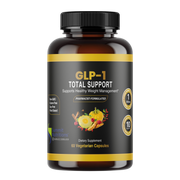
For GLP 1 users, a reasonable probiotic may be better than an aggressive one, especially if the person is already eating smaller meals or feeling digestive sensitivity. Our GLP-1 support capsules contains 1 Billion Prebiotics and Probiotics.
Look for clean and simple ingredients
Many people using GLP 1 medications are trying to simplify their routine. A probiotic with too many extras may not be ideal.
Look for products that avoid:
- Large amounts of added sugar
- Strong stimulant laxatives
- Unnecessary herbal blends
- Harsh cleansing language
- Heavy artificial sweeteners, if those bother your stomach
- Claims that sound like disease treatment
Look for third-party quality testing when available
Third party testing can help support confidence in product quality. It may confirm identity, purity, potency, or absence of certain contaminants.
Not every good product has every certification, but quality information is useful when comparing options.
Look for storage directions
Some probiotics are shelf-stable. Others require refrigeration. Follow the label directions so the product is used as intended.
A probiotic that is stored incorrectly may not provide the same intended amount of live organisms by the time it is used.
Best Probiotic Strains to Consider for GLP-1 users
This section is not a medical recommendation. It is a general education section about commonly used probiotic groups. A healthcare professional can help decide what fits a person’s situation.
Lactobacillus Strains
Lactobacillus strains are among the most common probiotic strains used in dietary supplements and fermented foods. They are often included in products designed for general digestive support.
For GLP-1 users, Lactobacillus containing probiotics may be considered as part of a gut support routine because they are familiar, widely used, and often combined with other probiotic strains.
They may be a good fit for people who want:
- General digestive support
- Daily gut balance support
- A simple probiotic option
- A formula that is easy to pair with meals
Bifidobacterium Strains
Bifidobacterium strains are also common in probiotic products. These bacteria are often discussed in relation to fiber fermentation and short-chain fatty acid production.
For GLP-1 users who are slowly increasing fiber intake, Bifidobacterium strains may be worth discussing with a healthcare professional.
They may be a good fit for people who want:
- Support for gut microbiome balance
- Support for regularity
- A probiotic that pairs well with fiber-rich foods
- A gentle daily option
Multi-strain Probiotics
A multi-strain probiotic includes more than one strain. Some formulas combine Lactobacillus and Bifidobacterium strains.
A multi strain probiotic may be useful for people who want broad digestive support. However, more strains do not always mean better results. The formula should still be clear, well made, and easy to tolerate.
A 2025 review on nutritional approaches with GLP 1 analogue therapy discussed interest in probiotics, fiber, and other nutrition strategies, while also making clear that the evidence is still developing. (MDPI)
Saccharomyces Boulardii
Saccharomyces boulardii is a probiotic yeast. It is different from bacterial probiotics. Some people use it for digestive balance support.
Because it is a yeast, people with weakened immune systems or complex health conditions should ask a healthcare professional before using it.
What Recent Research says about GLP 1, Probiotics, and the Gut Microbiome
Research on the best probiotic for GLP 1 users is still developing. There is more research on the gut microbiome, GLP 1 pathways, and probiotics separately than there is on probiotic supplements used directly by GLP 1 medication users.
That means the most responsible approach is to use supportive language.
Research point 1: GLP 1 therapies may affect the gut microbiome
A 2025 systematic review by Gofron and colleagues reviewed studies on GLP 1 analogues and agonists and their relationship with gut microbiota. The review included 38 studies and found that GLP 1 analogues showed a notable impact on gut microbiota composition, richness, and diversity. (MDPI)
Short research excerpt
“Further research is essential.” (MDPI)
What this means in simple terms
Researchers are seeing signals that GLP 1 therapies and the gut microbiome may be connected. However, this does not mean users should assume any probiotic will create a specific outcome. The study supports interest in this area, not final claims.
Research point 2: The gut microbiome and natural GLP 1 signaling may interact
Zeng and colleagues reviewed the relationship between GLP-1 and the gut microbiota. Their review stated that gut microbiota metabolites can stimulate GLP-1 secretion and that the gut microbiota may affect GLP-1 function and rhythm. (PubMed)
Short research excerpt
“Gut microbiota metabolites stimulate GLP-1 secretion.” (PubMed)
What this means in simple terms
This shows that gut microbes may interact with natural GLP-1-related signaling in the body. It does not mean probiotics replace GLP-1 medications. It simply supports the idea that gut health is a relevant area of study.
Research point 3: Probiotic results can vary
A 2024 randomized, double blind, controlled trial by Peng and colleagues studied probiotic supplementation in people with type 2 diabetes. The study reported that 16-week probiotic supplementation showed no beneficial effects on glycemic control, lipid profiles, or weight in that study population. (Frontiers)
Short research excerpt
“No beneficial effects on glycemic control.” (Frontiers)
What this means in simple terms
This is an important reminder that probiotics are not guaranteed to produce a measurable result for everyone. A probiotic may still support digestive balance for some people, but it should not be promoted as a guaranteed solution for weight, glucose, or medication side effects.
Research point 4: Meta-analysis findings are promising but still cautious
A 2024 meta-analysis by Wang and colleagues reviewed probiotic intervention timing in people with type 2 diabetes. The authors reported that probiotics at different intervention times played a positive role in modulating some glucose related markers, while also stating that more large-sample research is needed. (PubMed)
Short research excerpt
“Further excellent large-sample research is still required.” (PubMed)
What this means in simple terms
Some studies suggest probiotics may support certain health markers in specific populations, but the evidence is not strong enough to make broad claims for every GLP 1 user.
Research point 5: Nutrition still matters during GLP 1 use
A 2025 expert review in The American Journal of Clinical Nutrition stated that dietary guidance for people using GLP 1s should focus on nutrient adequacy within an often lower-calorie diet. (American Journal of Clinical Nutrition)
Short research excerpt
“Dietary guidance should focus on ensuring nutrient adequacy.” (American Journal of Clinical Nutrition)
What this means in simple terms
Because GLP-1 users may eat less, every meal matters more. A probiotic may support a gut routine, but it should not replace protein, fiber, fluids, vitamins, minerals, and balanced meals.
How Probiotics for GLP-1 Users May Fit into a Daily Routine
Probiotics may be most helpful when they are part of a consistent and gentle routine. They are not meant to fix everything by themselves.
Step 1: Start with small, steady meals
Many GLP 1 users feel better with smaller meals. Large, greasy, or very heavy meals may feel uncomfortable for some people.
Simple meal examples
Breakfast:
- Greek yogurt with berries
- Scrambled eggs with toast
- Oatmeal with a small amount of chia
- Cottage cheese with fruit
Lunch:
- Chicken soup with soft vegetables
- Rice bowl with lean protein
- Tuna salad with crackers
- Turkey wrap with cucumber
Dinner:
- Baked fish with cooked carrots
- Chicken with rice and zucchini
- Lentil soup in a small portion
- Turkey meatballs with soft vegetables
These are only examples. The best meal pattern depends on the person and their healthcare plan.
Step 2: Add fiber slowly
Fiber is helpful for gut health, but adding too much too quickly may cause gas or bloating. For GLP-1 users, this may be especially noticeable because digestion may already feel slower.
A slow approach may look like:
- Week 1: Add one small fiber food per day
- Week 2: Increase serving size if comfortable
- Week 3: Add a second fiber source if tolerated
- Week 4: Continue adjusting based on comfort
Gentle fiber foods to consider
- Oats
- Applesauce
- Banana
- Cooked carrots
- Cooked zucchini
- Lentils in small portions
- Chia seeds in small amounts
- Ground flaxseed in small amounts
- Soft beans in small portions
Step 3: Take probiotics consistently
A probiotic is usually taken daily, but users should follow the product label and healthcare guidance.
Some people prefer taking probiotics:
- With breakfast
- With lunch
- With a small snack
- At the same time each day
Taking a probiotic with food may feel gentler for some people.
Step 4: Drink enough fluids
If someone eats less, they may also drink less without noticing. Fluids matter for overall wellness and regularity support.
Simple hydration ideas:
- Keep water nearby
- Sip throughout the day
- Try warm tea if cold drinks feel uncomfortable
- Add electrolytes if recommended by a healthcare professional
- Pair water with meals and snacks
Step 5: Track comfort
A simple journal can help users understand what works for them.
Daily tracking example
- Probiotic taken: yes or no
- Water intake: low, medium, or good
- Fiber intake: low, medium, or high
- Protein intake: low, medium, or good
- Digestion: comfortable, bloated, constipated, loose stool, or nausea
- Best tolerated meal of the day:
- Food that felt too heavy:
Tracking should not become stressful. It is just a way to notice patterns.
Foods that Pair Well with Probiotics
A probiotic supplement can be useful, but food still matters. Probiotics and gut-friendly foods may work better as part of a full routine.
Fermented Foods
Fermented foods may contain live cultures, depending on how they are made and stored. They can add variety to the diet.
Examples include:
- Yogurt with live and active cultures
- Kefir
- Sauerkraut
- Kimchi
- Miso
- Tempeh
For GLP 1 users, small portions may be easier. For example, a few spoonfuls of yogurt may feel better than a large bowl.
Prebiotic Foods
Prebiotics are fibers that help feed beneficial bacteria in the gut. They are not the same as probiotics, but they can support a gut-friendly eating pattern.
Examples include:
- Oats
- Bananas
- Apples
- Onion
- Garlic
- Asparagus
- Beans
- Lentils
- Chicory root
- Ground flaxseed
Some prebiotic foods may cause gas if eaten in large amounts. Start with small portions and increase slowly.
Protein Foods
GLP 1 users may eat less, so protein intake can become important. Protein helps support muscle maintenance and overall nutrition.
Examples include:
- Eggs
- Greek yogurt
- Cottage cheese
- Chicken
- Turkey
- Fish
- Tofu
- Beans
- Lentils
- Protein shakes recommended by a healthcare professional
A probiotic does not replace protein. It works best as part of a balanced routine.
What to Avoid When Choosing Probiotics for GLP 1 Users
The supplement market can be confusing. Some products use strong claims that may not be appropriate.
Avoid products that make strong medication-like claims
These claims are not appropriate for a general wellness supplements. Dietary supplement claims should stay supportive and should not suggest that the product diagnoses, treats, cures, or prevents disease. FDA guidance explains that structure and function claims for dietary supplements cannot claim to diagnose, mitigate, treat, cure, or prevent a specific disease. (Walgreens)
Avoid harsh gut cleanse language
Some products use words like cleanse, flush, detox, or reset. This type of language can sound aggressive and may create unrealistic expectations.
A better approach is to use gentle support language, such as:
- Supports digestive balance
- Helps support gut microbiome diversity
- Supports regularity
- Supports daily digestive wellness
- Helps support a gut-friendly routine
Avoid starting too many new products at once
If a person starts a probiotic, fiber powder, digestive enzyme, magnesium, and new meal plan all at the same time, it becomes hard to know what is helping or bothering them.
A better approach is:
- Add one new product at a time
- Use it consistently for at least several days
- Track how the body feels
- Adjust slowly
- Ask a healthcare professional if symptoms are ongoing
Checklist for Choosing the Best Probiotic for GLP 1 Users
Use this checklist before choosing a product.
Product Label Checklist
- Does the label list full strain names?
- Does it list CFU amount?
- Does it show serving size clearly?
- Does it have simple directions?
- Does it include storage instructions?
- Does it avoid strong medical claims?
- Does it avoid harsh laxative ingredients?
- Does it avoid unnecessary sugar?
- Does it provide quality testing information when available?
Personal Comfort Checklist
- Is the serving size easy to take?
- Can it be taken with food?
- Does it fit your diet preferences?
- Does it fit your budget?
- Is it simple enough to use every day?
- Have you checked with a healthcare professional if needed?
GLP 1 Routine Checklist
- Are meals small enough to feel comfortable?
- Are fluids consistent?
- Is fiber being increased slowly?
- Is protein included daily?
- Are digestive changes being tracked?
- Is the probiotic being used as support, not as a treatment?
Example Probiotic Routine for GLP 1 Users
This is a general example, not medical advice.
Morning routine
- Drink water after waking
- Eat a small protein-containing breakfast
- Take probiotic with breakfast if tolerated
- Avoid rushing through the meal
Example breakfast:
- Greek yogurt with berries
- A small amount of ground flaxseed
- Water or warm tea
Lunch routine
- Choose a smaller, balanced meal
- Include protein
- Choose cooked vegetables if raw vegetables feel too heavy
- Sip water slowly
Example lunch:
- Chicken soup
- A small piece of toast
- Cooked carrots
- Water
Dinner routine
- Keep portions moderate
- Avoid very greasy foods if they feel uncomfortable
- Stop eating when comfortably full
- Keep the meal simple
Example dinner:
- Salmon or tofu
- Rice
- Cooked zucchini
- Small serving of yogurt if desired
Evening routine
- Review digestion gently
- Note foods that felt good
- Note foods that felt too heavy
- Prepare simple meals for the next day
FAQ
What is the best probiotic for glp 1 users?
The best probiotic for GLP 1 users is usually a strain-specific, quality-focused, gentle probiotic that fits the user’s routine. Look for clear strains, reasonable CFU levels, simple ingredients, and no strong disease claims. Check out our collection of GLP-1 supplements with probiotics, fiber, protein, amino acids, and more.
Are probiotics for GLP 1 users different from regular probiotics?
Often, they may be similar. The difference is the purpose. Probiotics for glp 1 users are usually chosen with digestive comfort, regularity support, and gut balance in mind.
Can probiotics help with GLP 1 related nausea?
Probiotics should not be claimed to treat nausea. Some users may include probiotics as part of a digestive support routine, but nausea should be discussed with a healthcare professional, especially if it is severe, ongoing, or affects eating and drinking.
Can probiotics help with constipation while using GLP-1 medication?
Probiotics may support regularity in some people, but they should not be presented as a treatment for constipation. Hydration, fiber intake, meal pattern, and healthcare guidance are also important.
Should GLP 1 users take probiotics every day?
Many probiotic products are designed for daily use, but users should follow the product label and healthcare guidance. Consistency may matter more than taking a very high amount.
Should probiotics be taken with food?
Some people tolerate probiotics better with food. Taking a probiotic with a small meal may be a gentle option for GLP 1 users.
Can I take probiotics with prebiotics?
Yes, some people use both. However, prebiotic fibers should be increased slowly because too much fiber too quickly may cause gas, bloating, or discomfort.
Can probiotics replace GLP 1 medication?
No. Probiotics do not replace prescription GLP-1 medication. They should only be viewed as supportive gut health products.
How long does it take to notice digestive support?
It varies. Some people notice changes within days, while others may need a few weeks of consistent use. Some people may not notice much at all. If discomfort continues, it is best to speak with a healthcare professional.
Who should ask a healthcare professional before using probiotics?
People should ask a healthcare professional first if they:
- Are pregnant or nursing
- Have a weakened immune system
- Have a serious digestive condition
- Recently had surgery
- Have a central line
- Take multiple prescriptions
- Have severe nausea, vomiting, diarrhea, constipation, or pain
- Are unsure whether a probiotic fits their care plan
Key Takeaway
The best probiotic for GLP 1 users is not about the loudest claim or the biggest CFU number. A better choice is usually simple, strain-specific, quality-focused, and easy to tolerate.
For many GLP 1 users, probiotic support may fit best inside a broader routine that includes:
- Smaller balanced meals
- Enough protein
- Slowly increased fiber
- Good hydration
- Fermented foods if tolerated
- Simple daily tracking
- Healthcare guidance when symptoms are strong or ongoing
Probiotics for GLP-1 users should be positioned as supportive gut wellness products. They should not be presented as treatments, cures, or replacements for medication. Check out our collection of GLP-1 supplements!
This article is for general wellness education only. It is not medical advice. Dietary supplements are not intended to diagnose, treat, cure, or prevent any disease. GLP-1 medications should only be used as prescribed by a licensed healthcare professional. Anyone with ongoing digestive symptoms should speak with a healthcare professional.
References
Dias, D. D. (2025). Nutritional approaches to enhance GLP 1 analogue therapy. Nutraceuticals, 5(4), 88. https://doi.org/10.3390/nutraceuticals5040088 (MDPI)
Gofron, K. K., Wasilewski, A., & Małgorzewicz, S. (2025). Effects of GLP 1 analogues and agonists on the gut microbiota: A systematic review. Nutrients, 17(8), 1303. https://doi.org/10.3390/nu17081303 (MDPI)
Mozaffarian, D., Agarwal, M., Aggarwal, M., Alam, M., Anderson, C. A. M., Gaziano, J. M., Hu, F. B., Hyman, M., Katz, D. L., Mills, K. T., & others. (2025). Nutritional priorities to support GLP 1 therapy for obesity. The American Journal of Clinical Nutrition. Advance online publication. (American Journal of Clinical Nutrition)
Peng, X., Xian, H., Ge, N., Hou, L., Tang, T., Xie, D., Gao, L., & Yue, J. (2024). Effect of probiotics on glycemic control and lipid profiles in patients with type 2 diabetes mellitus: A randomized, double blind, controlled trial. Frontiers in Endocrinology, 15, 1440286. https://doi.org/10.3389/fendo.2024.1440286 (Frontiers)
U.S. Food and Drug Administration. (2025). Wegovy prescribing information. U.S. Food and Drug Administration. (Walgreens)
Wang, X., Ma, Q., Yang, S., Zhao, Y., Sun, M., & Zhang, Y. (2024). Effect of probiotics at different intervention time on glycemic control in patients with type 2 diabetes: A systematic review and meta analysis. Frontiers in Endocrinology, 15, 1392306. https://doi.org/10.3389/fendo.2024.1392306 (Frontiers)
Zeng, Y., Wu, Y., Zhang, Q., & Xiao, X. (2024). Crosstalk between glucagon like peptide 1 and gut microbiota in metabolic diseases. mBio, 15(1), e02032 23. https://doi.org/10.1128/mbio.02032-23 (PubMed)