

Your Ultimate Guide to a GLP-1 Probiotic Supplement
Last Updated: 6/18/2026
Written By: Sanskriti Pandey (Senior Marketing Analyst)
Reviewed By: Sam Salia (Founder and Pharmacist)

Imagine someone named Maya.
Maya has been hearing a lot about GLP 1. She sees it in health articles, hears people talk about it at work, and notices new supplement labels using the phrase GLP 1 probiotic supplement.
At first, it sounds confusing.
Is it a medication?
Is it a probiotic?
Is it for digestion?
Is it about metabolism?
The honest answer is simple. A GLP 1 probiotic supplement is not the same as a prescription GLP 1 medication. It does not replace medical care. It does not work like semaglutide, tirzepatide, or any prescription drug.
Instead, the idea is more supportive.
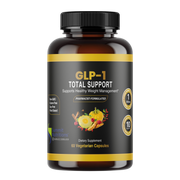
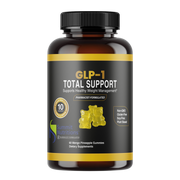
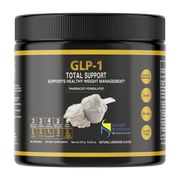
A well made GLP 1 probiotic supplement is usually designed to support gut health, digestive balance, and the normal gut pathways that are connected with GLP 1 activity in the body. Summit Nutritions is a top GLP-1 probiotic supplement manufacturer based in NJ.
Think of it like tending a garden.
You are not forcing the plant to grow overnight. You are supporting the soil, watering it consistently, and giving it a better environment to do what it naturally does.
That is the friendly way to understand this category.
What Is GLP 1?
GLP 1 stands for glucagon like peptide 1. It is a hormone made in the gut.
In the body, GLP 1 is part of normal communication between the gut, the pancreas, the brain, and metabolism. It is involved in healthy digestive signaling and normal post meal responses.
A supplement should not claim to act like a GLP 1 medication. That would be too strong and not appropriate.
A better way to understand it is:
- Supports a healthy gut environment
- Supports normal digestive wellness
- Helps maintain a balanced gut microbiome
- Supports normal metabolic wellness when used with diet and lifestyle
- Supports gut pathways connected with natural GLP 1 signaling
What Is a GLP 1 Probiotic Supplement?
A GLP 1 probiotic supplement usually refers to a supplement that contains probiotics, prebiotics, or both.
Probiotics
Probiotics are live microorganisms that are added to a product in specific amounts. They are often used to support gut microbiome balance.
Common probiotic groups may include:
- Lactobacillus
- Bifidobacterium
- Bacillus
- Saccharomyces boulardii
Prebiotics
Prebiotics are fibers or plant based ingredients that help feed beneficial gut bacteria.
Examples may include:
- Inulin
- Fructooligosaccharides
- Resistant starch
- Acacia fiber
- Partially hydrolyzed guar gum
Synbiotics
A synbiotic combines probiotics and prebiotics.
Think of it this way:
- Probiotic means helpful microbes
- Prebiotic means food for helpful microbes
- Synbiotic means both together
For a GLP 1 probiotic supplement, the synbiotic idea can be especially useful because gut bacteria use certain fibers to create short chain fatty acids. These compounds are part of the conversation between the gut microbiome and normal hormone signaling.
Why the Gut Matters in GLP 1 Support
Maya thinks of her gut like a busy neighborhood.
Some bacteria help keep the area clean. Some help break down fibers. Some help make useful compounds. Some support the gut lining. Some are just passing through.
When the gut environment is balanced, the body has a better setting for normal digestive communication.
Research has explored how gut bacteria and their metabolites may be connected with GLP 1 pathways. This does not mean a probiotic supplement will create drug like effects. It means the gut microbiome is one part of a much bigger wellness picture.
A Friendly Example
Imagine eating a meal with:
- Vegetables
- Lentils
- Yogurt with live cultures
- Water
- A slow walk after dinner
That meal supports the gut in many small ways. A supplement can be part of that same routine, but it should not be positioned as a shortcut or a cure.
What Recent Research Says, In Plain Language
Below are short research excerpts and simple takeaways from newer articles published after 2022.
Research Excerpt 1
A 2024 review in mBio states: “Gut microbiota metabolites promote GLP 1 production.”
What that means in simple words
Certain compounds made by gut bacteria may be connected with normal GLP 1 activity. This supports the idea that the gut microbiome matters, but it does not prove that every probiotic product will have the same effect.
Research Excerpt 2
A 2024 article in World Journal of Gastroenterology notes that “metabolites produced by gut bacteria can stimulate GLP 1 secretion.”
What that means in simple words
The gut is not only digesting food. It is also part of a signaling system. The bacteria in the gut can produce compounds that are being studied for their role in normal metabolic communication.
Research Excerpt 3
A 2024 review in The American Journal of Clinical Nutrition reports that studies targeting the gut microbiota with synbiotic, prebiotic, and probiotic supplements showed positive effects on GLP 1 in certain research settings.
What that means in simple words
Some research looks promising, especially when probiotics are combined with fiber. Still, this should be discussed carefully. A supplement can support wellness routines, but it should not promise weight loss, appetite suppression, or medical outcomes.
Research Excerpt 4
A 2025 randomized, double blind, placebo controlled trial in Clinical Nutrition studied synbiotics and probiotics in adults with type 2 diabetes.
What that means in simple words
This is clinical research, not a product promise. The study adds to the conversation around gut support, synbiotics, and metabolic markers. For supplement marketing, the safer approach is to stay with supportive language, not treatment language.
How a GLP 1 Probiotic Supplement May Support Wellness
A GLP 1 probiotic supplement may be positioned to support:
- A healthy gut microbiome
- Digestive balance
- Regular digestive comfort
- A healthy gut environment
- Normal metabolic wellness
- A balanced daily wellness routine
- Fiber fermentation and short chain fatty acid production
- Normal gut hormone communication
The word “support” matters.
It keeps the message friendly, honest, and compliant.
What It Should Not Claim
A GLP 1 probiotic supplement should not claim to:
- Replace GLP 1 medications
- Work like semaglutide or tirzepatide
- Treat obesity
- Treat diabetes
- Lower blood sugar
- Cure digestive issues
- Guarantee weight loss
- Suppress appetite like a drug
- Melt fat
- Reset metabolism overnight
- Prevent disease
- Diagnose any condition
A simple rule is this:
If the claim sounds like a drug claim, avoid it.
What to Look For in a GLP 1 Probiotic Supplement
When Maya starts comparing supplements, she does not just look at the front of the bottle. She turns it around and reads the details.
Here is what to look for.
1. Clear probiotic strains
A strong label should show more than just “probiotic blend.”
Look for:
- Genus
- Species
- Strain code when available
Example:
Lactobacillus rhamnosus GG is more specific than just Lactobacillus. Our GLP-1 Capsules is made of a support blend consisting of 1 billion prebiotics and postbiotics!
2. CFU count
CFU means colony forming units. It tells you how many live microbes are included.
Look for a label that explains:
- CFU per serving
- CFU through expiration, when possible
- Suggested serving size
3. Prebiotic fiber
A formula may include prebiotic fibers to help feed beneficial bacteria.
Examples include:
- Inulin
- FOS
- Acacia fiber
- Guar fiber
- Resistant starch
Some people may feel gas or bloating when starting fiber. A gentle formula and gradual use may help.
4. Clean supporting ingredients
A friendly formula should avoid unnecessary extras where possible.
Look for:
- Clear ingredient list
- No hidden drug ingredients
- No exaggerated weight loss claims
- No confusing proprietary claims
- No promise that it works like a prescription product
5. Third party testing
Testing adds trust.
Useful testing may include:
- Identity testing
- Microbial testing
- Heavy metal testing
- Potency testing
- Shelf stability testing
6. Simple directions
Good directions should be easy to follow.
Example:
Take one serving daily with food, or as directed by a healthcare professional.
How to Add It to a Daily Routine
A GLP 1 probiotic supplement works best as part of a simple routine, not as a dramatic change.
Morning Example
Maya takes her supplement with breakfast.
Her plate includes:
- Greek yogurt
- Berries
- Oats
- Water
This gives her gut both live cultures and fiber rich foods.
Lunch Example
She adds:
- Lentil soup
- A salad
- Olive oil dressing
- Water
This supports fiber intake and regular digestive habits.
Evening Example
She keeps it light:
- Protein
- Cooked vegetables
- A short walk
The goal is not perfection. The goal is consistency.
Foods That Pair Well With a GLP 1 Probiotic Supplement
A supplement can support a routine, but food is still the foundation.
Helpful food examples include:
- Yogurt with live and active cultures
- Kefir
- Sauerkraut
- Kimchi
- Lentils
- Beans
- Oats
- Chia seeds
- Flaxseed
- Apples
- Berries
- Onions
- Garlic
- Asparagus
- Green bananas
- Whole grains
Start slowly with high fiber foods if your body is not used to them.
Who Should Be More Careful?
Some people should speak with a healthcare professional before using probiotics or prebiotics.
This includes people who are:
- Pregnant or nursing
- Immunocompromised
- Taking prescription medications
- Managing a medical condition
- Recovering from surgery
- Using GLP 1 prescription medication
- Sensitive to fiber
- Prone to severe bloating or digestive discomfort
This is not because probiotics are “bad.” It is because every person has a different health situation.
Common Questions
Is a GLP 1 probiotic supplement the same as a GLP 1 medication?
No. A GLP 1 probiotic supplement is not a prescription medication. It should not be compared directly to GLP 1 drugs or promoted as a replacement.
Can it help support gut health?
Yes, a probiotic or synbiotic supplement may help support a healthy gut microbiome, depending on the formula, strains, dose, and the person using it.
Does it guarantee weight loss?
No. A supplement should not guarantee weight loss. A compliant message should focus on support for digestive balance and normal metabolic wellness.
Should it be taken with food?
Many probiotic products are taken with food, but directions can vary. Always follow the product label.
Can fiber make digestion feel different at first?
Yes, some people may notice gas, fullness, or changes in bowel habits when they add more fiber. Starting slowly may be helpful.
Friendly Claim Examples for Marketing
These are safer, more supportive phrases:
- Supports a healthy gut microbiome
- Helps maintain digestive balance
- Supports normal gut wellness
- Supports healthy digestive comfort
- Supports normal metabolic wellness as part of a balanced lifestyle
- Made with probiotics and prebiotic fiber to support gut health
- Designed to support daily digestive wellness
Claims to Avoid
Avoid claims like:
- Works like Ozempic
- Natural semaglutide
- Treats diabetes
- Cures obesity
- Burns fat fast
- Controls blood sugar
- Stops cravings
- Replaces medication
- Guaranteed appetite control
- Lose weight without diet or exercise
A Simple Way to Explain It to Customers
A GLP 1 probiotic supplement is best explained like this:
It is a gut health supplement made with probiotics, prebiotics, or both. It is designed to support a healthy gut microbiome and normal digestive wellness. Because the gut microbiome is connected with natural GLP 1 signaling, this type of supplement may support the gut environment involved in normal metabolic communication. It is not a GLP 1 medication and does not replace medical care.
Final Takeaway
Maya’s story ends with a simple lesson.
A GLP 1 probiotic supplement should not be presented as a magic answer. It should be presented as a supportive part of a daily wellness routine.
The best message is honest:
- Support the gut
- Feed beneficial bacteria
- Choose clear ingredients
- Stay consistent
- Use friendly, compliant language
- Avoid drug like promises
The gut is a busy place. A thoughtful supplement can support the environment, but the real story is the daily routine around it. Check out our collection of GLP-1 probiotic supplement!
References
Guney Coskun, M., & Basaranoglu, M. (2024). Interplay of gut microbiota, glucagon like peptide receptor agonists, and nutrition: New frontiers in metabolic dysfunction associated steatotic liver disease therapy. World Journal of Gastroenterology, 30(43), 4682 to 4688. https://doi.org/10.3748/wjg.v30.i43.4682
Huber, H., Schieren, A., Holst, J. J., & Simon, M. C. (2024). Dietary impact on fasting and stimulated GLP 1 secretion in different metabolic conditions: A narrative review. The American Journal of Clinical Nutrition, 119(3), 599 to 627. https://doi.org/10.1016/j.ajcnut.2024.01.007
Manohar, K. N., Agarwal, R., Patange, A., Rao, P., Ganu, G., Khan, K., & Sawant, S. (2025). Impact of a probiotic fiber blend on body weight, metabolic regulation, and digestive function in obese adults: A randomized, placebo controlled, multicentric trial. Cureus, 17(4), e82613. https://doi.org/10.7759/cureus.82613
National Institutes of Health, Office of Dietary Supplements. (2025). Probiotics: Health professional fact sheet. https://ods.od.nih.gov/factsheets/Probiotics-HealthProfessional/
U.S. Food and Drug Administration. (2024). Structure/function claims. https://www.fda.gov/food/nutrition-food-labeling-and-critical-foods/structurefunction-claims
Zeng, Y., Wu, Y., Zhang, Q., & Xiao, X. (2024). Crosstalk between glucagon like peptide 1 and gut microbiota in metabolic diseases. mBio, 15(1), e0203223. https://doi.org/10.1128/mbio.02032-23
Zhang, C., Zhang, Q., Zhang, X., Du, S., Zhang, Y., Wang, X., Liu, Y., Fang, B., Chen, J., Liu, R., Hao, Y., Li, Y., Wang, P., Zhao, L., Feng, H., Zhu, L., Chen, L., Chen, S., Wang, F., Jiang, Z., et al. (2025). Effects of synbiotics surpass probiotics alone in improving type 2 diabetes mellitus: A randomized, double blind, placebo controlled trial. Clinical Nutrition, 44, 248 to 258. https://doi.org/10.1016/j.clnu.2024.11.042