

What Supplements Should I Take While on GLP-1 Medications
Last Updated: 5/4/2026
Written By: Sanskriti Pandey (Senior Marketing Analyst)
Reviewed By: Sam Salia (Founder and Pharmacist)

There is a pattern that quietly unfolds for many people who begin GLP-1 medications.
At first, it feels like relief. Hunger fades into the background. Meals become smaller without effort. The constant thinking about food starts to disappear. For many, this is the first time things feel manageable.
Then, after some time, a different set of observations begins.
You may notice your energy feels slightly lower than expected. Your workouts feel harder. Your hairbrush seems fuller than usual. Digestion feels slower or inconsistent.
These are not problems caused by the medication alone. They are signals from a body that is adjusting to a new way of eating.
And this is where the question becomes important.
What supplements should I take while on GLP 1?
The answer is not about taking more. It is about supporting potential gaps in nutrient intake. Summit Nutritions is a science-backed supplement brand selling premium and affordable GLP-1 supplements formulated with research-backed ingredients.
What Actually Changes When You Start GLP 1
GLP-1 medications are known to slow gastric emptying and reduce appetite.
This creates a powerful shift in daily habits
- Meals become smaller
- Food choices may narrow
- Eating frequency often decreases
While this supports weight loss, it also creates a natural reduction in nutrient intake.
Even someone eating “healthy” may now be consuming less
- Protein
- Essential vitamins
- Minerals
- Fiber
Over time, this gap can affect how the body feels and performs.
This is why supplementation is not about enhancement. It is about replacement.
A Better Way to Think About Supplements
Instead of asking what supplements should I take while on GLP 1 as a checklist, think of it as a response to change.
Ask yourself
- What am I eating less of now
- What feels different in my body
- Where do I feel slightly off
This approach keeps supplementation simple, effective, and personalized.
The Most Important Supplements to Take While on GLP-1
Here are the most important supplements to help support you while on GLP-1:
Protein Support
Protein is the most critical nutrient during GLP 1 therapy.
When calorie intake drops, protein intake almost always drops with it.
Why this matters
- Protein supports the maintenance of muscle mass
- It supports metabolism
- It keeps the body strong during weight loss
Without enough protein, the body may lose muscle along with fat.
This can lead to
- Reduced strength
- Slower metabolism
- Fatigue
Practical ways to support protein intake
- Use protein shakes when meals feel too heavy
- Choose easy protein sources like yogurt, eggs, or soft foods
- Focus on protein first during meals
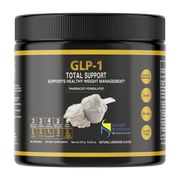
Even small increases in protein can make a noticeable difference over time. Check out our GLP Total Support Powder that contains protein along with other clinical ingredients!
Vitamin D and Calcium
These two nutrients are often overlooked but become very important during weight loss.
Why they matter
- Support bone strength
- Help maintain structural integrity of the body
- Play a role in immune function
When food intake drops, calcium intake often drops as well. At the same time, vitamin D levels may already be low in many individuals.
This combination can impact long term bone health if not addressed.
Simple support strategies
- A daily vitamin D supplement when needed
- Ensuring some calcium intake through diet or supplements
- Periodic lab testing for accuracy
Iron and B Vitamins
If someone feels tired on GLP-1, this is often one of the first areas to check.
Why they matter
- Iron supports oxygen transport in the blood
- B vitamins support energy production and brain function
Lower intake of foods like meat, leafy greens, and fortified grains can reduce these nutrients.
Common signs of low levels
- Fatigue
- Weakness
- Hair thinning
- Difficulty focusing
Support options
- A multivitamin covering B vitamins
- Targeted iron supplementation if needed
- Lab testing to confirm deficiencies
Fiber for Digestive Health
GLP-1 medications slow digestion. This is part of how they help control appetite.
But this can also lead to
- Constipation
- Bloating
- Irregular digestion
Fiber supports normal digestive function.
Why it matters
- Supports smooth digestion
- Helps maintain gut movement
- Improves overall comfort
Ways to increase fiber
- Add fiber rich foods when possible
- Use gentle fiber supplements
- Increase gradually to avoid discomfort
Consistency matters more than quantity.
Electrolytes for Hydration and Function
When food intake decreases, hydration patterns often change as well.
Electrolytes such as sodium, potassium, and magnesium are essential for
- Muscle function
- Energy levels
- Fluid balance
Low intake may be associated with symptoms such as
- Lightheadedness
- Fatigue
- Muscle cramps
Support can include
- Staying mindful of water intake
- Using electrolyte solutions when needed
- Including mineral rich foods when possible
Amino Acids for Muscle and Recovery
Amino acids, especially BCAA and glutamine, play a role in
- Muscle preservation
- Recovery
- Reducing muscle breakdown
Why this matters
During rapid weight loss, the body may break down muscle if protein intake is low.
Amino acids support muscle preservation during periods of reduced intake.
They are especially useful for people who
- Struggle to eat enough protein
- Are physically active
- Want to maintain strength
Digestive Enzymes
With slower digestion, the body may take longer to process food.
Digestive enzymes help by
- Breaking down proteins, carbohydrates, and fiber
- Supporting smoother digestion
- Support digestive comfort
They can be helpful for individuals who feel
- Full for long periods
- Uncomfortable after eating
- Sluggish digestion
Probiotics and Prebiotics for Gut Balance
Gut health becomes more important when digestion slows.
Probiotics provide beneficial bacteria. Prebiotics feed those bacteria.
Together they help
- Maintain gut balance
- Support healthy digestion and nutrient absorption
They are especially helpful for those experiencing
- Bloating
- Irregular digestion
- Gut discomfort
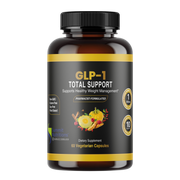
Our GLP-1 capsules and powder contain powerful Prebiotic and Probiotic blend with 1 Billion CFU!
Collagen and Structural Support
Rapid weight loss can sometimes affect
- Skin elasticity
- Hair health
- Joint support
Collagen or collagen supporting nutrients can help
- Support skin structure
- Connective tissue strength
- Overall appearance
This is not essential for everyone, but it can be helpful depending on individual goals.
How to Put This Into a Simple Daily Routine
The goal is not to build a complicated system.
A simple structure works best.
Morning
- Light protein or protein drink
- Hydration
Midday
- Balanced meal with protein and some fiber
Evening
- Smaller meal focusing on nutrients missed earlier
Support strategies:
- A multivitamin or targeted supplements based on needs
- Additional support such as protein, fiber, or electrolytes if intake is low
This approach keeps things practical and sustainable.
A Real Life Perspective
Imagine two individuals starting GLP 1.
One focuses only on eating less.
The other focuses on eating less but supporting their body with
- Protein
- Key vitamins
- Fiber
- Hydration
After a few months
The first person may feel lighter but also more fatigued and less balanced.
The second person feels lighter, but also stronger, more stable, and more energized.
The difference is not the medication.
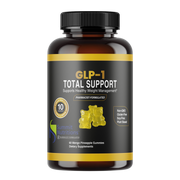
It is the support system behind it. Our GLP-1 support supplements are formulated to provide a comprehensive combination of fiber, protein, collagen, amino acids, electrolytes, vitamins, prebiotics, probiotics, and more!
Final Thoughts
The question what supplements should I take while on GLP 1 is not about finding a perfect list.
It is about understanding what your body is going through.
You are eating less, but your body still needs the same level of support.
So the goal becomes clear
- Protect muscle
- Maintain energy
- Support digestion
- Fill nutritional gaps
When you approach it this way, supplementation becomes simple, effective, and purposeful. Shop our collection of best quality supplements today!
References
Johnson, B., et al. (2025). Investigating nutrient intake during use of glucagon like peptide 1 receptor agonists. https://pmc.ncbi.nlm.nih.gov/articles/PMC12062175/
Urbina, J., et al. (2026). Micronutrient and nutritional deficiencies associated with GLP 1 receptor agonist therapy. https://pubmed.ncbi.nlm.nih.gov/41549912/
Kerlikowsky, F., et al. (2025). GLP 1 receptor agonists and nutritional intake considerations. https://www.sciencedirect.com/science/article/pii/S2475299125030495
Butsch, W. S., et al. (2025). Nutritional deficiencies and muscle loss in adults using GLP 1 receptor agonists. https://pmc.ncbi.nlm.nih.gov/articles/PMC12205620
Mozaffarian, D., et al. (2025). Nutritional priorities to support GLP 1 therapy for obesity. https://www.sciencedirect.com/science/article/pii/S0002916525002400
Hendley, J. (2026). Study on nutrient intake in GLP 1 users. https://www.health.harvard.edu/diet-and-nutrition/study-taking-glp-1-drugs-may-increase-risk-of-key-nutrient-deficiencies
Johnson, B. V. B., et al. (2025). Dietary supplement considerations during GLP 1 receptor agonist treatment. https://pmc.ncbi.nlm.nih.gov/articles/PMC12062175/
Sibal, R., et al. (2025). Nutritional impact of GLP 1 receptor agonists. https://pmc.ncbi.nlm.nih.gov/articles/PMC12693348
This article is for educational purposes only and is not intended as medical advice. Dietary supplements are not intended to diagnose, treat, cure, or prevent any disease. If you use GLP-1 medication, have a medical condition, experience ongoing symptoms, or are concerned about nutrient intake, speak with your healthcare provider before starting any supplement.