

Top 5 Reasons You Should Choose a GLP 1 Vitamin Supplement
Last Updated: 7/8/2026
Written By: Sanskriti Pandey (Senior Marketing Analyst)
Reviewed By: Sam Salia (Founder and Pharmacist)

GLP 1 medications may change more than appetite. When you feel full sooner, eat smaller meals, or experience occasional stomach discomfort, it may become harder to follow your usual eating routine.
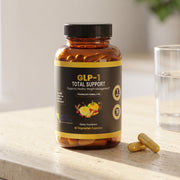
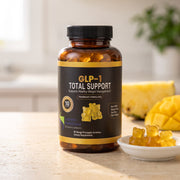
A GLP 1 vitamin supplement may help fill selected nutritional gaps when it is used as part of a balanced plan developed with a healthcare professional. It should not replace meals, protein, hydration, physical activity, or medical care. Summit Nutritions is a premium GLP-1 vitamin supplement brand.
Not every person using a GLP 1 medication needs a supplement. Your food choices, medication, health history, laboratory results, and personal nutritional needs should guide that decision.
What Is a GLP 1 Vitamin Supplement?
A GLP 1 vitamin supplement is generally a multivitamin or vitamin and mineral formula intended for people who are taking a GLP 1 receptor agonist medication.
It is important to understand what this type of supplement is not:
- It is not a GLP 1 medication.
- It does not replace a prescribed medication.
- It should not be expected to increase the effects of a GLP 1 medication.
- It does not replace a balanced diet.
- It is not intended to diagnose, treat, cure, or prevent a disease.
The main purpose of a GLP 1 vitamin supplement should be to support daily nutrient intake when food alone may not consistently provide enough of certain nutrients.
What Does Recent Research Say About Nutrition and GLP 1 Use?
Recent studies have started looking at how GLP 1 medications may affect food intake, nutrient intake, gastrointestinal comfort, and body composition.
Here are several short excerpts from research published after 2022:
- “Total caloric intake was reduced by 16 to 39 percent.” (ScienceDirect)
- “Few studies evaluated the actual composition of the diet.” (ScienceDirect)
- “Participants had insufficient intakes of several key nutrients below the DRI.” (Frontiers)
- “Over 20 percent had nutritional deficiencies diagnosed within one year.” (ScienceDirect)
- “Nausea, vomiting, diarrhea, and constipation were the most common gastrointestinal adverse effects.” (Nature)
These findings do not mean that every GLP 1 user will develop a nutritional deficiency. They suggest that food intake and nutrient status may deserve closer attention during treatment.
1. Smaller Meals May Provide Fewer Opportunities for Nutrients
GLP 1 medications may reduce appetite and total food intake. A 2024 review found that the studies it examined reported reductions in calorie intake ranging from 16 to 39 percent. The same review noted that researchers had limited information about the nutritional quality of the foods people continued to eat. (ScienceDirect)
Eating less does not automatically mean eating poorly. However, smaller meals provide fewer opportunities to obtain:
- Vitamins
- Minerals
- Fiber
- Protein
- Essential fats
For example, a person who previously ate three complete meals may begin eating half portions or skipping one meal because they feel full. Even when the remaining foods are nutritious, the total amount of certain nutrients may be lower.
How a Supplement May Help
A carefully selected GLP 1 vitamin supplement may help provide part of the daily value for nutrients that are difficult to obtain consistently from smaller meals.
It should be considered a backup to good nutrition, not a replacement for it.
Simple Example
A person may eat Greek yogurt and fruit for breakfast but feel too full to add nuts, whole grains, or another food. A supplement may help support selected micronutrient intake, while the meal continues to provide protein and food based nutrition.
2. Reduced Appetite May Lead to Less Food Variety
When appetite is low, people may choose foods that feel easy, familiar, or comfortable. This may result in eating the same limited group of foods every day.
For example, someone may regularly choose:
- Protein shakes
- Toast
- Crackers
- Yogurt
- Soup
- Small portions of chicken or eggs
These foods may be useful during days when eating feels difficult. However, relying on a small number of foods may leave less room for vegetables, fruit, dairy products, beans, whole grains, nuts, and seeds.
A 2025 cross sectional study involving 69 GLP 1 users compared recorded food intake with Dietary Reference Intakes. The researchers reported lower than recommended intake for several nutrients, including fiber, calcium, iron, magnesium, potassium, choline, and vitamins A, C, D, and E. The study was small and cannot show that GLP 1 medication caused these intake patterns, but it highlights the value of reviewing diet quality. (Frontiers)
How a Supplement May Help
A GLP 1 vitamin supplement may help cover selected gaps on days when food choices are less varied.
Food should still remain the main source of nutrition whenever possible because food provides protein, fiber, healthy fats, and many natural compounds that a basic vitamin supplement may not provide.
Simple Example
A person may tolerate a small turkey sandwich but not feel able to eat a side salad, fruit, or dairy product. A supplement may provide some additional vitamins and minerals, but it will not provide the same fiber or full nutritional value as those foods.
3. Stomach Discomfort May Interrupt Normal Eating Habits
Some people using GLP 1 medications experience gastrointestinal symptoms. A 2025 systematic review of 39 articles involving 33,354 participants found that nausea, vomiting, diarrhea, and constipation were among the most commonly reported gastrointestinal effects. Experiences differed by medication and individual. (Nature)
When a person feels nauseated, unusually full, or uncomfortable after eating, they may:
- Skip meals
- Avoid certain foods
- Eat very small portions
- Drink less fluid
- Choose mostly plain foods
- Stop following their usual meal schedule
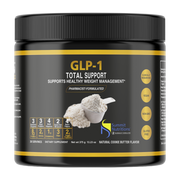
A GLP 1 vitamin supplement does not treat nausea, vomiting, constipation, or other medication effects. Persistent or serious symptoms should be discussed with the prescribing healthcare professional. Summit Nutrition's GLP-1 Support Powder includes vitamin D, vitamin B6, vitamin B12, sodium, potassium, an amino acid blend, a fiber blend, vegan collagen peptides, vegan protein, and a digestive blend with protease, amylase, and cellulase.
How a Supplement May Help
During periods when the diet becomes temporarily limited, a GLP 1 vitamin supplement may offer additional nutritional support.
The supplement should be selected carefully. Some tablets may be difficult to tolerate on an empty stomach, and products containing high amounts of iron or certain minerals may cause stomach discomfort in some people.
Simple Example
Someone experiencing occasional nausea may choose toast, soup, rice, or a small amount of yogurt. These foods may feel manageable, but they may not provide a wide range of nutrients. A healthcare professional may recommend a suitable supplement based on the person’s diet and tolerance.
4. A Weight Management Plan Should Also Consider Muscle and Bone Nutrition
Changes in body weight can include changes in fat mass, lean mass, water, and other tissues.
A 2024 review found wide differences in reported lean mass changes during GLP 1 based treatment. The authors also explained that lean mass measurements include more than muscle, such as organs, fluids, and bone related tissue. They noted that some muscle changes may be expected during weight reduction, while age, health status, diet, and activity may influence individual risk. (King's College London)
A vitamin supplement cannot maintain muscle by itself. Muscle focused nutrition generally includes:
- Adequate protein
- Resistance exercise when medically appropriate
- Regular meals or planned snacks
- Enough overall nutrition
- Ongoing medical monitoring
Calcium, vitamin D, magnesium, and other nutrients also contribute to normal bone and muscle functions. However, taking larger amounts does not automatically provide greater support.
How a Supplement May Help
A GLP 1 vitamin supplement may help support micronutrient intake while a person works on the more important parts of the plan, including protein intake and physical activity.
The supplement should complement those habits rather than distract from them.
Simple Example
A person may focus so heavily on eating enough protein that vegetables, fruit, dairy foods, and whole grains receive less attention. A supplement may help cover some micronutrient gaps, but protein rich foods and strength focused activity remain important parts of the routine.
5. A Supplement Can Make a Personalized Nutrition Routine Simpler
Nutrition plans can become difficult to follow when appetite and food tolerance change from one day to the next.
A simple daily supplement may make it easier to provide a consistent amount of selected vitamins and minerals. However, the formula should match the individual rather than using a one size fits all approach.
A large 2025 observational study reviewed healthcare claims from more than 461,000 adults who started GLP 1 receptor agonist treatment. Nutritional deficiencies were recorded in 12.7 percent within six months and 22.4 percent within twelve months. Vitamin D deficiency was the most commonly recorded deficiency. Because the study relied on medical claims, it cannot establish that the medication directly caused the deficiencies. (ScienceDirect)
The findings support the value of nutritional screening and professional guidance rather than automatically recommending the same supplement to everyone.
How a Supplement May Help
A healthcare professional can help determine:
- Whether a supplement is appropriate
- Which nutrients may be useful
- Whether laboratory testing is needed
- Whether iron should be included
- Whether the supplement interacts with medications
- Whether the dose is suitable
- Whether another supplement is already providing the same nutrients
Simple Example
One person may need a basic multivitamin without iron. Another person may need a separate nutrient based on laboratory results. A third person may not need a supplement at all because their diet already provides enough nutrition.
What to Look for in a GLP 1 Vitamin Supplement
When comparing products, consider the following features.
Clear Supplement Facts
The label should clearly list:
- Each vitamin and mineral
- The amount per serving
- The percentage of the Daily Value
- The serving size
- Other ingredients
Avoid products that hide ingredient amounts inside unclear blends.
Moderate Nutrient Levels
More is not always better. Very high nutrient amounts may be unnecessary and may not be suitable for every person.
Pay close attention to:
- Vitamin A
- Vitamin D
- Vitamin E
- Vitamin K
- Iron
- Calcium
- Zinc
- Magnesium
Independent Quality Testing
Look for products that use recognized independent testing or quality verification. Testing does not prove that a supplement will provide a specific health result, but it may offer additional information about product quality and label accuracy.
No Unnecessary Weight Loss Claims
Be cautious with products that claim to:
- Replace GLP 1 medication
- Increase GLP 1 levels dramatically
- Melt fat
- Prevent muscle loss
- Remove all medication side effects
- Guarantee faster weight reduction
A vitamin supplement should be presented as nutritional support, not as another weight loss treatment.
A Form You Can Tolerate
Supplements may be available as:
- Capsules
- Tablets
- Gummies
- Powders
- Liquids
The most suitable form depends on personal preference, serving size, sugar content, nutrient amounts, and digestive tolerance.
What a GLP 1 Vitamin Supplement Cannot Replace
A supplement should not replace:
- Balanced meals
- Protein rich foods
- Fruit and vegetables
- Fiber
- Water and other suitable fluids
- Resistance activity
- Medical appointments
- Laboratory monitoring
- Advice from a registered dietitian or prescribing clinician
A supplement may help fill selected gaps, but it cannot provide all the benefits of food and a complete health plan.
Who Should Speak With a Healthcare Professional Before Taking One?
Professional guidance is especially important for people who:
- Take prescription medication
- Have kidney or liver concerns
- Have a history of anemia
- Are pregnant, nursing, or planning a pregnancy
- Are preparing for surgery
- Take blood thinning medication
- Already use several supplements
- Have ongoing vomiting or diarrhea
- Cannot keep food or fluids down
- Have unexplained weakness or fatigue
- Have known vitamin or mineral deficiencies
Serious or persistent symptoms should be evaluated rather than managed only with a supplement.
Frequently Asked Questions
Does Everyone Taking GLP 1 Medication Need a Vitamin Supplement?
No. Supplement needs differ from person to person. Some individuals may obtain enough nutrients from food, while others may benefit from additional support based on diet, symptoms, laboratory results, or professional advice.
Can a GLP 1 Vitamin Supplement Replace a Meal?
No. A vitamin supplement does not provide the complete protein, fiber, energy, and food based nutrition found in a balanced meal.
When Should I Take a GLP 1 Vitamin Supplement?
Follow the product directions and the advice of your healthcare professional. Some people tolerate vitamins better with food. The timing may also depend on other medications or supplements.
Should a GLP 1 Vitamin Supplement Contain Iron?
Not necessarily. Iron needs vary by age, sex, diet, medical history, and laboratory results. Too much iron may not be appropriate for everyone.
Can a Supplement Help With GLP 1 Side Effects?
A standard vitamin supplement is not intended to treat medication side effects. Contact your prescribing professional if side effects are persistent, severe, or interfere with eating and drinking.
Final Thoughts
A GLP 1 vitamin supplement may be useful for some people whose appetite, meal size, or food variety has changed during treatment. Recent research suggests that nutrient intake deserves attention, but it does not show that every GLP 1 user requires the same supplement.
The most supportive approach includes:
- Nutrient rich foods
- Adequate protein
- Regular hydration
- Appropriate physical activity
- Medical monitoring
- Personalized supplement decisions
Before beginning a new supplement, review your diet, medications, existing supplements, and health history with a qualified healthcare professional.
This information is for general educational purposes and is not a substitute for medical advice. Dietary supplements are not intended to diagnose, treat, cure, or prevent any disease.
References
Butsch, W. S., Sulo, S., Chang, A. T., Kim, J. A., Kerr, K. W., Williams, D. R., Hegazi, R., Panchalingam, T., Goates, S., & Heymsfield, S. B. (2025). Nutritional deficiencies and muscle loss in adults with type 2 diabetes using GLP-1 receptor agonists: A retrospective observational study. Obesity Pillars, 15, 100186. https://doi.org/10.1016/j.obpill.2025.100186
Christensen, S., Robinson, K., Thomas, S., & Williams, D. R. (2024). Dietary intake by patients taking GLP-1 and dual GIP/GLP-1 receptor agonists: A narrative review and discussion of research needs. Obesity Pillars, 11, 100121. https://doi.org/10.1016/j.obpill.2024.100121
Ismaiel, A., Scarlata, G. G. M., Boitos, I., Leucuta, D. C., Popa, S. L., Al Srouji, N., Abenavoli, L., & Dumitrascu, D. L. (2025). Gastrointestinal adverse events associated with GLP-1 RA in non-diabetic patients with overweight or obesity: A systematic review and network meta-analysis. International Journal of Obesity, 49, 1946 to 1957. https://doi.org/10.1038/s41366-025-01859-6
Johnson, B., Milstead, M., Thomas, O., McGlasson, T., Green, L., Kreider, R., & Jones, R. (2025). Investigating nutrient intake during use of glucagon-like peptide-1 receptor agonist: A cross-sectional study. Frontiers in Nutrition, 12, 1566498. https://doi.org/10.3389/fnut.2025.1566498
Mozaffarian, D., Agarwal, M., Aggarwal, M., Alexander, L., Apovian, C. M., Bindlish, S., Bonnet, J., Butsch, W. S., Christensen, S., Gianos, E., Gulati, M., Gupta, A., Horn, D., Kane, R. M., Saluja, J., Sannidhi, D., Stanford, F. C., & Callahan, E. A. (2025). Nutritional priorities to support GLP-1 therapy for obesity: A joint advisory from the American College of Lifestyle Medicine, the American Society for Nutrition, the Obesity Medicine Association, and The Obesity Society. Obesity Pillars, 15, 100181. https://doi.org/10.1016/j.obpill.2025.100181
Neeland, I. J., Linge, J., & Birkenfeld, A. L. (2024). Changes in lean body mass with glucagon-like peptide-1-based therapies and mitigation strategies. Diabetes, Obesity and Metabolism, 26(S4), 16 to 27. https://doi.org/10.1111/dom.15728