

Your Ultimate Guide to a GLP 1 Companion Supplement
Last Updated: 5/8/2026
Written By: Sanskriti Pandey (Senior Marketing Analyst)
Reviewed By: Sam Salia (Founder and Pharmacist)

Imagine someone named Maya. For years, she tried to manage her weight with meal plans, walking, and cutting back on late-night snacks. Some weeks went well; some felt frustrating. Then her healthcare provider prescribed a GLP-1 medication.
At first, Maya felt hopeful. Her appetite changed, and smaller meals felt like enough. But after a few weeks, a new question appeared: if she was eating less, was she still getting enough of what her body needs?
That is where the idea of a GLP-1 companion supplement comes in. A GLP-1 companion supplement is not meant to replace a GLP-1 medication, and it is not a shortcut. Think of it as a daily support partner that may help fill common nutrition gaps when appetite drops, meals become smaller, or digestion feels slower. Summit Nutritions is a supplement brand based in New Jersey offering premium, affordable GLP-1 support supplements.
Recent clinical guidance has pointed out that nutrition and lifestyle support matter during GLP-1 therapy, especially for digestive comfort, nutrient intake, and muscle and bone support. A 2025 joint advisory from major nutrition and obesity organizations noted that GLP-1 care should include nutrition, strength training, lifestyle support, and attention to nutrient deficiencies. (American College of Cardiology)
What Is a GLP-1 Companion Supplement?
A GLP-1 companion supplement is a product designed to support the body while a person is using GLP-1 based therapy. It may include nutrients such as:
- Protein or amino acid support
- Fiber
- Electrolytes
- Vitamins and minerals
- Digestive support ingredients
- Hydration support
The goal is simple: when someone eats less, every bite matters more. A good companion supplement should support the new routine without feeling heavy, complicated, or harsh on the stomach.
Why GLP-1 Users May Need Extra Nutrition Support
GLP-1 medications can reduce appetite and slow stomach emptying. That may help people feel full longer, but it can also change how they eat. Some skip meals without meaning to; some eat only a few bites; some avoid protein because it feels too filling. This can create a gap between what the body needs and what the person actually eats.
Researchers and clinicians have raised several nutrition considerations during GLP-1 use, including low protein intake, lower overall calorie intake, lower dietary variety, digestive discomfort, constipation, hydration challenges, possible gaps in vitamins and minerals, and loss of muscle and bone mass during weight loss.
The American College of Cardiology summary of the 2025 joint advisory notes that clinicians should pay attention to gastrointestinal side effects, altered dietary preferences, nutrient deficiencies, and preserving muscle and bone mass through resistance training and diet. (American College of Cardiology)
A Friendly Way to Understand GLP-1 Support
Think of your body like a house being renovated. The medication may help reduce the extra load on the house, but during renovation you still need strong walls, clean water, enough energy, and good materials. For the body, those materials are protein for muscle, fiber for digestion, electrolytes for hydration, vitamins and minerals for daily function, and healthy habits for long-term strength. A GLP-1 companion supplement should help support those basics.
What Should a GLP-1 Companion Supplement Support?
1. Protein support for muscle
When weight goes down, the body can lose both fat and lean mass. This is one reason protein and resistance training are often discussed alongside GLP-1 therapy. A companion supplement may include protein, essential amino acids, or ingredients that make it easier to reach daily protein goals.
2. Fiber support for digestion
Constipation is a common complaint among people using GLP-1 medications, because food intake is lower, stomach emptying is slower, and fluid intake may drop. A 2025 systematic review and network meta-analysis in the International Journal of Obesity found that nausea, vomiting, diarrhea, and constipation were common gastrointestinal effects among GLP-1 receptor agonists in people with overweight or obesity. (Nature) Fiber should be introduced slowly and taken with enough water.
3. Hydration and electrolyte support
Some GLP-1 users do not feel thirsty as often, or drink less because they feel full quickly, which can lead to feeling tired or low energy. A companion supplement may include electrolytes such as sodium, potassium, magnesium, or chloride to help support fluid balance.
4. Vitamins and minerals for daily wellness
When appetite drops, food variety can drop too, which may affect nutrient intake over time. A 2025 article in Obesity Pillars discussed dietary supplement considerations during GLP-1 receptor agonist therapy and noted that reduced food intake can raise questions about nutrient adequacy during treatment. (PMC) Nutrients sometimes considered include vitamin D, B vitamins, iron, calcium, magnesium, zinc, and vitamin C. This does not mean everyone needs all of these; the supplement should be thoughtfully designed, and users should speak with a healthcare provider if they have medical conditions, take medications, or have known deficiencies.
5. Digestive comfort support
Some people using GLP-1 medications feel nausea, bloating, or heaviness after eating. A 2024 review in The Lancet Gastroenterology and Hepatology explained that GLP-1 receptor agonists can delay gastric emptying, which is part of how they work but can also affect gastrointestinal comfort. (ScienceDirect) A companion product should be gentle, not overly stimulating or packed with harsh ingredients.
What a GLP-1 Companion Supplement Should Not Be
A GLP-1 companion supplement should not claim to be a GLP-1 medication. It should not promise drug-like results, tell people to stop prescribed medication, make disease-treatment claims, or use fear to sell. The best positioning is supportive, simple, and honest.
Better messaging examples:
- Supports daily nutrition during GLP-1 routines
- Helps support protein and micronutrient intake
- Designed for smaller-appetite days
- Supports hydration and digestive wellness
Claims to avoid:
- Replaces Ozempic
- Works like a GLP-1
- Melts fat
- Stops side effects
- Cures any disease
A Simple Daily Story
Morning
Maya wakes up without much hunger. Instead of a full breakfast, she takes a small serving of her companion supplement with water for protein, vitamins, minerals, and electrolytes in a light format.
Lunch
She eats grilled chicken, rice, and a few vegetables, starting with protein first even though she cannot finish the plate.
Afternoon
Feeling a little tired, she drinks water with electrolytes instead of only coffee.
Dinner
She eats a smaller meal and adds fiber slowly, since she has had constipation in the past.
Before bed
She did not eat a lot, but she made better choices and supported her body without forcing huge meals. That is the real role of a companion supplement: making smaller nutrition moments count.
What Ingredients Make Sense?
Protein or amino acid support
Protein is one of the most important areas to consider. A formula may use whey protein, plant protein, collagen (paired with a complete protein strategy), essential amino acids, or leucine. Plant protein may be preferred for vegan customers.
Fiber
Fiber can support digestive regularity and fullness. Options may include inulin, soluble corn fiber, acacia fiber, psyllium husk, or partially hydrolyzed guar gum. The formula should be gentle and easy to tolerate.
Electrolytes
Electrolytes such as sodium, potassium, magnesium, and chloride may help support hydration, especially when food intake is lower.
Vitamins and minerals
A thoughtful formula may include key nutrients commonly watched during lower food-intake patterns, such as vitamin D, vitamin B12, folate, thiamin, calcium, magnesium, zinc, and iron (only when appropriate). Iron is not right for everyone, so users should follow healthcare guidance.
Digestive support
Digestive support should be gentle. Depending on format, options may include ginger, peppermint, probiotics, prebiotic fiber, or digestive enzymes, used carefully for people with reflux or sensitive stomachs.
Product Format Ideas
Powder
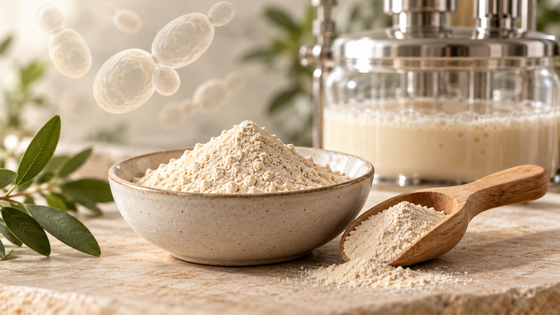
Best for people who want a complete daily mix of protein, fiber, electrolytes, and vitamins and minerals. Our GLP-1 powder contains support ingredients including fiber, collagen, an amino acid blend, electrolytes, prebiotics, and probiotics.
Capsules
Best for simple nutrient and digestive support. Our GLP-1 Capsules are a prebiotic and probiotic blend with 1 billion CFU.
Gummies
Best for ease and taste. Our GLP-1 Gummies are a simple daily gummy with a blend of botanical and nutrient ingredients.
Ready to drink
Best for convenience: a grab-and-go nutrition support option for daily routines.
Common Questions
Is a GLP-1 companion supplement the same as a GLP-1 medication?
No. A companion supplement is not a medication. It is designed to support nutrition and wellness while someone follows a GLP-1 routine under medical guidance.
Can it reduce GLP-1 side effects?
It should not be marketed as stopping or treating side effects. However, good nutrition, hydration, protein intake, and fiber may help support comfort and daily wellness.
Who should use it?
It may be useful for adults using GLP-1 based therapy who are eating less and want support for daily nutrition. People should talk with their healthcare provider, especially if they are pregnant, nursing, diabetic, taking medication, or managing kidney, heart, gallbladder, or digestive conditions.
Should it include protein?
In many cases, yes. Protein is one of the most practical areas of support because smaller meals may make it harder to reach daily protein needs.
Should it include fiber?
Fiber can be helpful for digestive regularity, but it should be gentle and increased slowly with enough water.
Short Excerpts from Recent Research
From the 2025 joint advisory summarized by the American College of Cardiology: nutritional and lifestyle strategies play a role in GLP-1 obesity treatment. (American College of Cardiology)
From the 2025 International Journal of Obesity systematic review: nausea, vomiting, diarrhea, and constipation were among the most common gastrointestinal adverse effects. (Nature)
From the 2024 Lancet Gastroenterology and Hepatology review: GLP-1 receptor agonists have drawn attention for delaying gastric emptying. (ScienceDirect)
Final Thoughts
GLP-1 medications can change the way people eat. For many, that change is helpful, but smaller meals also mean the body needs smarter nutrition. That is the heart of a companion supplement: it should support the person behind the progress, helping with protein, hydration, fiber, vitamins, minerals, and digestive comfort, in a way that feels simple and fits real life. Shop our collection of high-quality supplements today.
References
Aldhaleei, W. A., et al. (2024). Glucagon-like peptide-1 receptor agonist associated gastrointestinal adverse events. Pharmaceuticals, 17(2), 199. (MDPI)
Ismaiel, A., et al. (2025). Gastrointestinal adverse events associated with GLP-1 RA in non-diabetic patients with overweight or obesity: A systematic review and network meta-analysis. International Journal of Obesity. (Nature)
Jalleh, R. J., et al. (2024). Gastrointestinal effects of GLP-1 receptor agonists: Mechanisms, management, and future directions. The Lancet Gastroenterology and Hepatology. (ScienceDirect)
Johnson, B. V. B., et al. (2025). Dietary supplement considerations during glucagon-like peptide-1 receptor agonist therapy. Obesity Pillars. (PMC)
Mozaffarian, D., et al. (2025). Nutritional priorities to support GLP-1 therapy for obesity: A joint advisory. The American Journal of Clinical Nutrition. (American College of Cardiology)
This article is for educational purposes only and is not intended as medical advice. Dietary supplements are not intended to diagnose, treat, cure, or prevent any disease. If you use GLP-1 medication, have a medical condition, experience ongoing symptoms, or are concerned about nutrient intake, speak with your healthcare provider before starting any supplement.